4 Best Practices for DTC ChatGPT Advertising Success

Introduction
Creating captivating advertisements in today’s digital landscape isn’t just about being creative; it’s about harnessing a strategic approach that taps into the cutting-edge of AI technology. Direct-to-consumer (DTC) brands are increasingly embracing ChatGPT for advertising solutions that not only engage but also convert! This article dives into four essential best practices that can supercharge DTC ChatGPT advertising efforts - from establishing clear communication to integrating audience insights and continuous optimization. As competition heats up, how can brands ensure their messaging breaks through the noise and truly resonates with consumers? The answer lies in adopting these proven strategies that promise to boost engagement and drive remarkable results!
Establish Clear Communication and Structure in ChatGPT Ads
To truly harness the power of AI in DTC ChatGPT advertising, clear communication and a structured approach are absolutely essential! Start by defining your ad campaign's objectives - who you're targeting, the key messages you want to convey, and the outcomes you desire. Craft specific prompts that lay out these elements, ensuring ChatGPT fully grasps the context and goals. For example, instead of a vague request like 'Create an ad for our product,' say something like, 'Write a Facebook ad aimed at health-conscious consumers, showcasing the benefits of our organic turmeric supplement.' This clarity empowers the AI to generate content that resonates with your audience and reflects your brand's voice.
But wait, there's more! Consider creating a template for your ads that includes sections for headlines, body copy, and calls to action. This structured format not only streamlines your creative process but also guarantees that all vital components are present in the final output. Consistency in format boosts brand recognition and makes it easier to compare different ad variations during testing. Trust me, structured ad templates can dramatically enhance ad performance in DTC ChatGPT advertising, allowing for systematic testing and optimization that leads to improved engagement and conversion rates.
Did you know that 73% of consumers prefer short-form videos to learn about products? This statistic underscores the need for concise and structured messaging in your ads! Plus, as OpenAI highlights, integrating conversational advertising is key to crafting a seamless user experience. However, be wary of misapplying structured approaches, as they can result in generic content that fails to captivate your audience. Your commitment to realistic and sustainable results in performance creative ensures that your advertising strategies are not just innovative but also effective. For instance, a case study on a DTC brand that adopted structured ad templates revealed a staggering 30% increase in conversion rates, showcasing the power of DTC ChatGPT advertising when implemented effectively. So, what are you waiting for? Let's get started!

Leverage Audience Insights and Market Data for Targeted Campaigns
Creating effective ads for your AI model is all about harnessing insights from your target group and market data - this is crucial! Start with thorough research to truly understand your target demographic. Dive into their interests, behaviors, and purchasing patterns. Leverage analytics tools like Google Analytics, social media insights, and customer surveys to gather essential data. Did you know that in 2023, a whopping 71% of consumers expect personalization as a standard in their shopping experience? This highlights the urgent need for tailored messaging that speaks directly to them!
Once you’ve got a solid understanding of your audience, let that knowledge guide your prompts. If your data reveals that your viewers prioritize sustainability, prompt ChatGPT with something like, 'Create an ad that emphasizes our eco-friendly packaging and commitment to sustainability.' This targeted approach ensures the content generated resonates with your audience, significantly boosting engagement and conversion rates.
But don’t stop there! Keep a close eye on market trends and competitor strategies to stay ahead of the game. In 2024, direct-to-consumer sales in the U.S. are projected to soar to $213 billion, marking a staggering 178% increase since 2019. By adapting your strategies based on real-time data, you can refine your messaging and stay relevant in this fast-paced market. Successful DTC brands are already leveraging data-informed approaches to enhance their DTC ChatGPT advertising efforts, proving just how vital it is to incorporate market insights into your ad campaigns. Now is the time to act!

Integrate Creative Strategies with Media Buying for Optimal Results
For DTC brands, dtc chatgpt advertising is essential for success, as it involves blending creative methods with media purchasing. Y'all emphasizes the importance of aligning creative content with your media strategy, ensuring it truly resonates with where your target audience engages the most. For instance, if your audience is all about Instagram, then it’s time to craft visually stunning ads that leverage the platform's unique strengths!
When it comes to creating prompts for the AI, tailor them to fit the specific media context. Imagine you’re crafting a video ad for TikTok; you might prompt ChatGPT with, 'Generate a script for a 15-second TikTok ad that showcases our product in a fun and engaging way.' This approach guarantees that your content is not just imaginative but also perfectly tailored for the platform you’re targeting.
Moreover, collaborating closely with your media buying team is vital to optimize your creative assets for peak performance. This means diving into A/B testing on various ad variations and analyzing performance metrics to continuously refine your strategy. By fostering a collaborative environment between your creative and media teams, just like Y'all does, you can significantly boost the effectiveness of your dtc chatgpt advertising campaigns, leading to better engagement and conversion rates!
As industry experts highlight, storytelling is crucial in retail media. It’s essential to create engaging content that truly resonates with your audience. Y'all's transformative impact shines through in client testimonials, showcasing how their innovative strategies have led to remarkable improvements in engagement and conversion metrics. Don’t miss out on the opportunity to elevate your brand-let’s make it happen!

Implement Continuous Testing and Optimization for Campaign Success
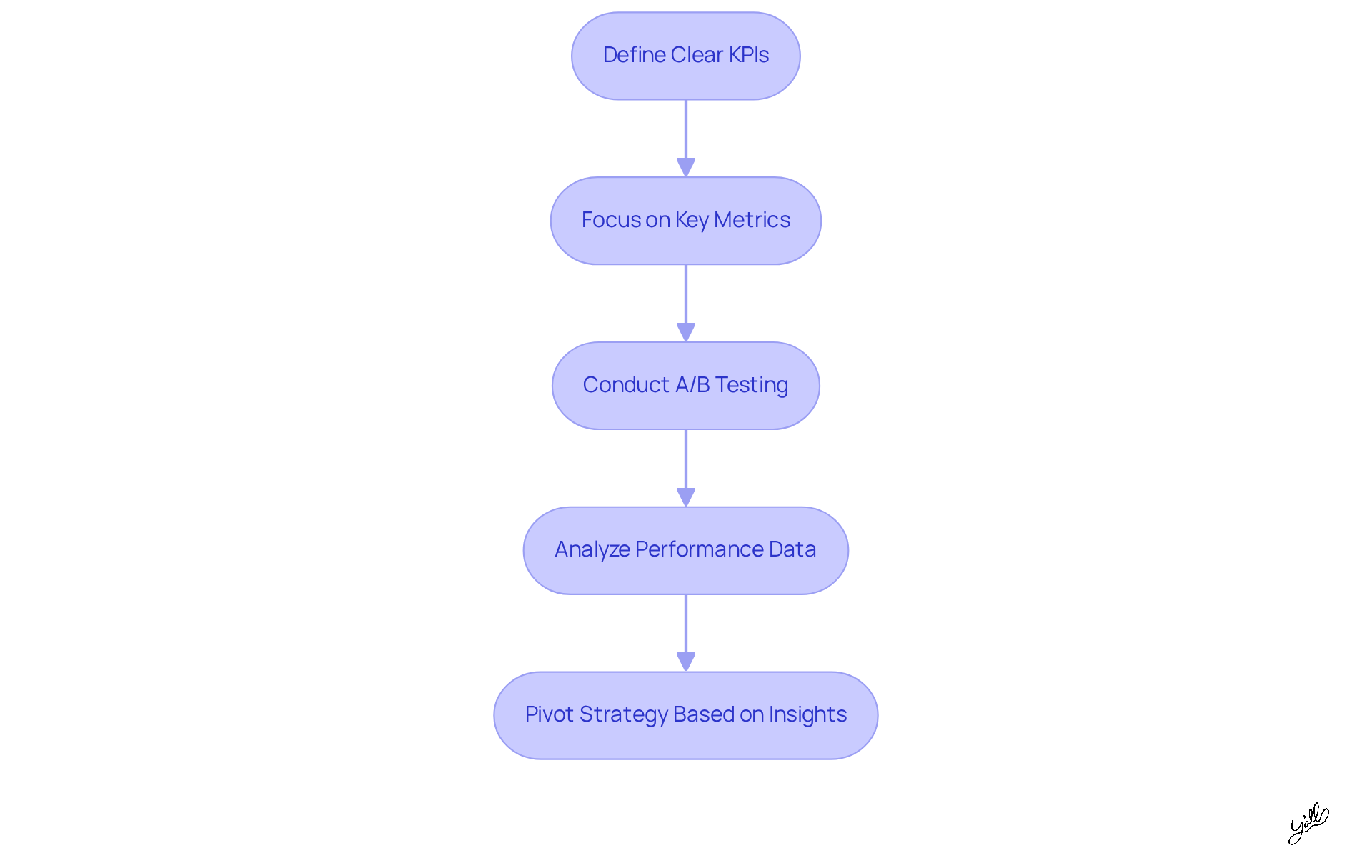
Want to skyrocket your advertising success? It’s time to embrace continuous testing and optimization! Start by defining clear KPIs that align with your goals. Focus on key metrics like click-through rates, conversion rates, and return on ad spend.
Dive into A/B testing to explore different ad variations crafted by AI. Experiment with catchy headlines, eye-catching images, or compelling calls to action. Discover which combinations spark the highest engagement and conversion rates! Analyzing performance data will unveil trends and insights that can supercharge your future campaigns.
Plus, leverage DTC ChatGPT advertising's incredible ability to generate multiple ad variations in a flash, allowing for rapid testing cycles. As your data grows, be ready to pivot your strategy based on the insights you gather. This agile approach not only boosts your campaign effectiveness but also fosters a culture of continuous improvement within your marketing team. Don’t wait - take action now and watch your advertising efforts soar!
Conclusion
Unlocking the full potential of DTC ChatGPT advertising is all about embracing best practices that spark clarity, creativity, and relentless improvement! By establishing structured communication and tapping into audience insights, brands can craft compelling, targeted ads that truly resonate with their consumers. This approach not only boosts engagement but also skyrockets conversion rates, proving just how powerful a well-planned advertising strategy can be!
In this article, we’ve spotlighted several key practices:
- Defining clear campaign objectives
- Leveraging audience data for personalized messaging
- Integrating creative strategies with media buying
- Committing to ongoing testing and optimization
Each of these elements is vital in crafting advertising campaigns that shine in a crowded market. The case studies and statistics shared illustrate the real, tangible benefits of adopting these strategies, showcasing remarkable improvements in performance metrics.
The world of DTC advertising is changing at lightning speed, and staying ahead demands a proactive mindset. Brands must seize the insights gained from continuous testing and adapt their strategies on the fly. By doing this, they not only amplify their advertising effectiveness but also cultivate a culture of innovation and responsiveness. The time to act is NOW - implement these best practices and unleash the true potential of your DTC ChatGPT advertising efforts for lasting success!
Frequently Asked Questions
Why is clear communication important in ChatGPT advertising?
Clear communication is essential in ChatGPT advertising because it helps define the campaign's objectives, target audience, key messages, and desired outcomes, enabling the AI to generate relevant and effective content.
How should I frame prompts for ChatGPT to create ads?
Instead of vague requests, frame specific prompts that outline the context and goals, such as 'Write a Facebook ad aimed at health-conscious consumers, showcasing the benefits of our organic turmeric supplement.'
What is the benefit of using structured ad templates?
Structured ad templates streamline the creative process, ensure all vital components are included, boost brand recognition, and facilitate easier comparison of different ad variations during testing.
How can structured ad templates impact ad performance?
Using structured ad templates can dramatically enhance ad performance by allowing systematic testing and optimization, which leads to improved engagement and conversion rates.
What type of content do consumers prefer for learning about products?
73% of consumers prefer short-form videos to learn about products, highlighting the need for concise and structured messaging in ads.
What should advertisers be cautious about when applying structured approaches?
Advertisers should be cautious of misapplying structured approaches, as they can lead to generic content that fails to engage the audience effectively.
What results can be expected from implementing structured ad templates in DTC advertising?
A case study showed that a DTC brand that adopted structured ad templates experienced a 30% increase in conversion rates, demonstrating the effectiveness of this approach.