4 Essential eCommerce Digital Marketing Services for DTC Brands

Introduction
The digital marketing landscape is transforming at lightning speed, especially for direct-to-consumer (DTC) brands eager to connect with a savvy audience. As consumer expectations evolve, these brands face an exhilarating yet challenging task: adapting their marketing strategies to not just grab attention but also drive conversions.
This article dives into four crucial digital marketing services that can empower DTC brands to flourish in a competitive arena. We’ll explore how:
- Personalized marketing
- Multi-channel strategies
- Optimized landing pages
- Data analytics
can work together to elevate brand engagement and supercharge sales.
So, how can DTC brands navigate this dynamic landscape effectively to ensure sustainable growth and foster customer loyalty? Let's find out!
Understand the Digital Marketing Landscape for DTC Brands
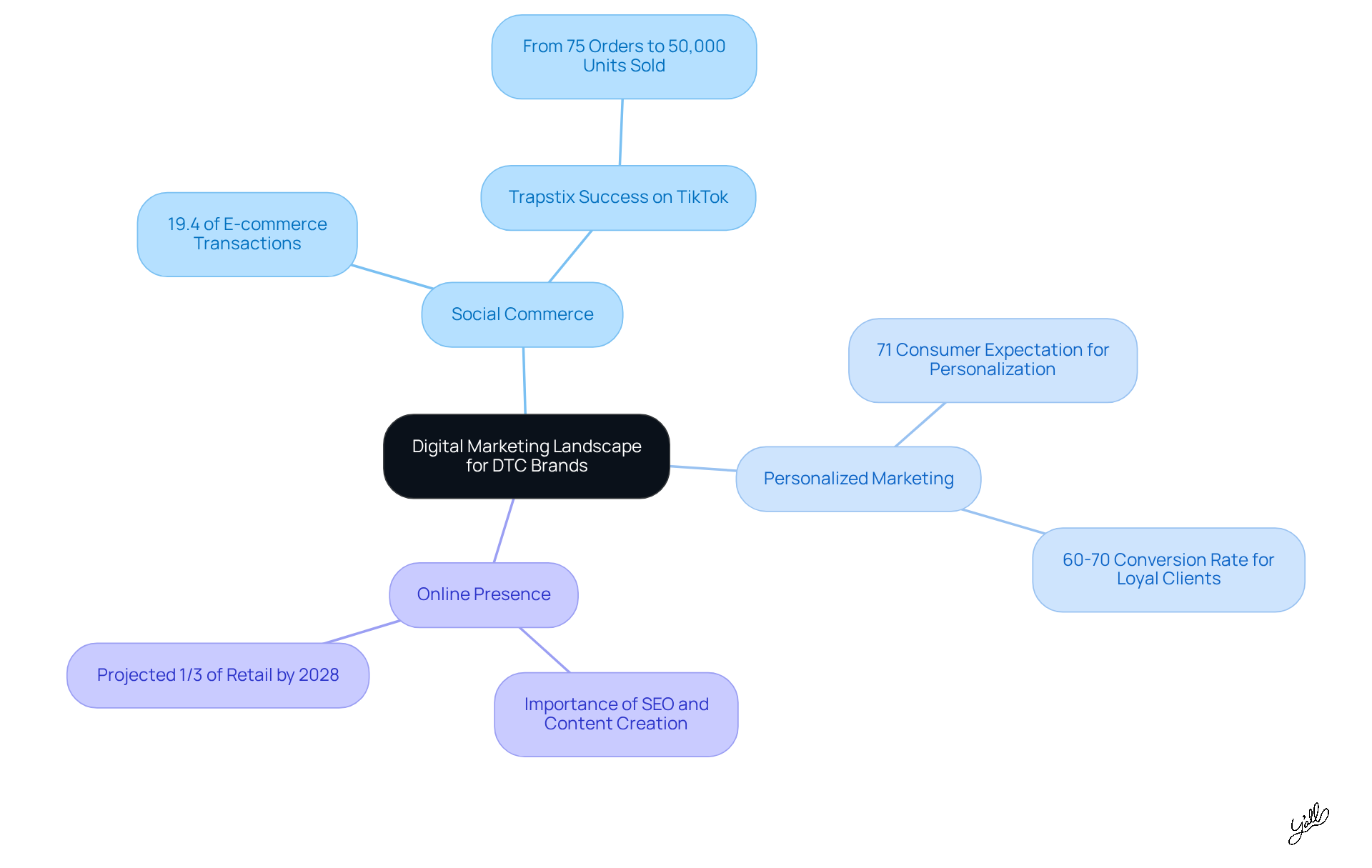
The digital marketing landscape for DTC companies is evolving at lightning speed, driven by significant shifts in consumer behavior and expectations. One standout trend is the meteoric rise of social commerce, now accounting for an impressive 19.4% of e-commerce transactions! This transformation underscores the urgent need for companies to leverage social media not just for advertising but as a direct sales channel, amplifying customer engagement and skyrocketing conversion rates. Look at the success of DTC brands utilizing creator-led content - Trapstix, for example, skyrocketed from 75 orders to a staggering 50,000 units sold after going viral on TikTok!
Personalized marketing is another game-changer, with a whopping 71% of consumers now expecting tailored experiences as the norm. DTC brands must tap into data analytics to craft hyper-personalized interactions that truly resonate with their target audiences. This strategy not only fosters loyalty but also drives repeat purchases, as evidenced by the remarkable 60-70% conversion rate of loyal clients compared to a mere 5-20% for new prospects.
Moreover, investing in a robust online presence through an ecommerce digital marketing service that includes SEO and content creation is absolutely vital for attracting and retaining customers. With digital channels projected to represent about one-third of retail by 2028, DTC companies must pivot their strategies to remain competitive in this fast-paced environment. By embracing these essential components, companies can deftly navigate the complexities of the digital marketing arena and achieve sustainable growth!
Implement Multi-Channel Digital Marketing Strategies
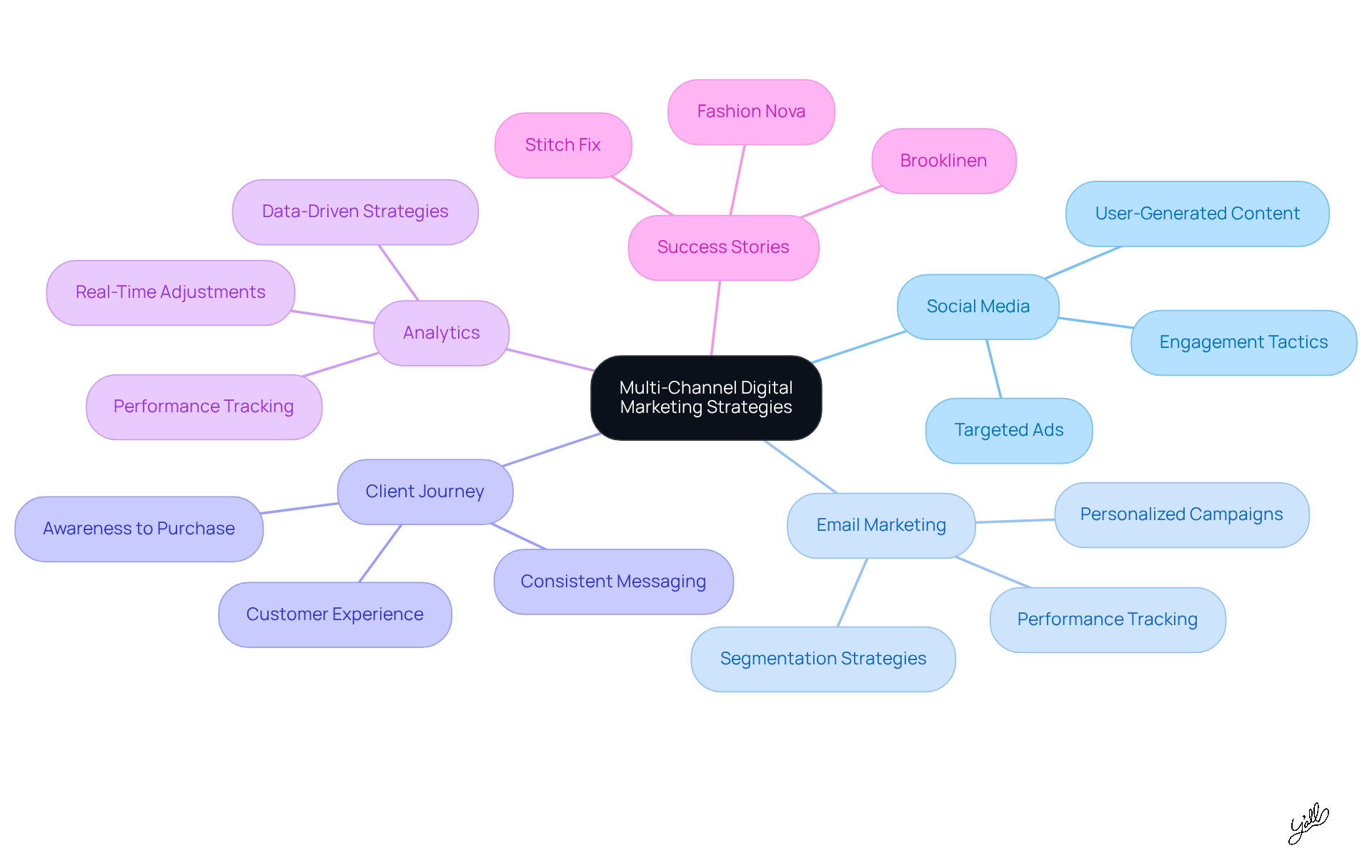
To truly captivate consumers, DTC companies must embrace dynamic multi-channel digital promotion strategies that harness the power of platforms like social media, email, and paid search. Imagine running targeted ads on Meta while launching personalized email campaigns simultaneously-this creates a seamless experience that not only broadens your audience reach but also elevates your visibility! This approach is incredibly effective; studies reveal that companies leveraging both social media and email marketing see significant boosts in engagement and conversion rates.
But it doesn’t stop there! Understanding the client journey across these channels is absolutely vital. A smooth transition from awareness to purchase is achievable by ensuring consistent messaging and branding throughout the consumer's experience. By utilizing analytics tools, brands can track performance across all channels, allowing for real-time adjustments that optimize campaigns. This data-driven strategy not only amplifies promotional effectiveness but also fosters stronger client relationships, ultimately driving sales growth.
Look at the success stories of Fashion Nova and Brooklinen! These brands showcase how the fusion of social media and email marketing can lead to enhanced loyalty and skyrocketing sales. By focusing on a unified identity experience, DTC companies can navigate the competitive landscape with confidence and achieve sustainable growth. Don’t wait-now is the time to take action and transform your marketing strategy!
Optimize Conversion Rates Through Effective Landing Page Strategies
Landing pages serve as the crucial first touchpoint for potential clients, making their optimization vital for boosting conversion rates in an ecommerce digital marketing service. DTC companies must focus on crafting clear, compelling headlines paired with strong calls-to-action (CTAs) that effectively guide visitors toward making a purchase using an ecommerce digital marketing service.
Integrating social proof, like customer testimonials and reviews, significantly enhances credibility and can lead to impressive conversion rates; studies reveal that user-generated content (UGC) can skyrocket conversion rates by 102%!
A/B testing various elements of the landing page - including layout, messaging, and CTAs - empowers companies to discover what resonates most with their audience, thereby improving their ecommerce digital marketing service and creating a more engaging user experience. For example, a career college achieved an astounding 336% increase in conversions by optimizing their landing page design.
Moreover, with mobile devices accounting for a substantial share of online shopping, ensuring that landing pages are mobile-friendly is essential for capturing and converting traffic effectively. As of Q4 2024, the average landing page conversion rate stands at approximately 6.6%, setting a target for DTC companies to aim for.
At Y'all, we leverage our extensive expertise in the CPG sector and our experience with notable VC and VE firms to ensure that effective performance creative is at the heart of these strategies, aligning with a DTC company's broader goals and driving realistic, sustainable growth through thorough landing page optimization.

Leverage Analytics for Continuous Improvement in Marketing Efforts
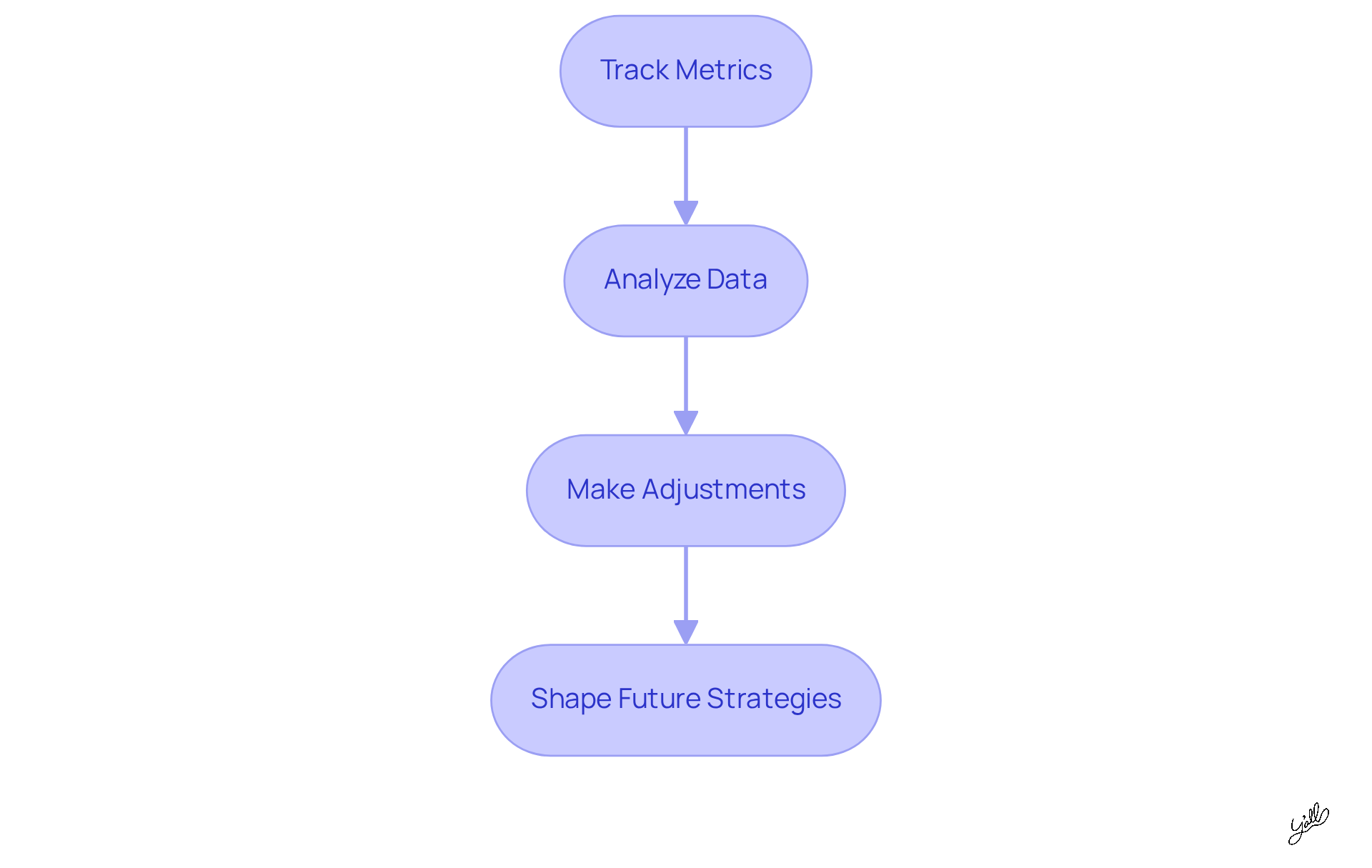
Analytics are absolutely vital for the success of DTC companies! They provide invaluable insights into consumer behavior and campaign effectiveness that can’t be overlooked. By harnessing tools like Google Analytics and social media analytics, companies can track essential metrics such as traffic sources, conversion rates, and customer engagement levels.
Imagine the power of examining this data! Companies can uncover trends and pinpoint areas for enhancement, enabling them to refine their promotional strategies with precision. For instance, if a specific ad campaign isn’t hitting the mark, companies can swiftly adjust their targeting or creative elements based on the insights gathered.
But it doesn’t stop there! Consistently evaluating analytics not only boosts current campaigns but also shapes future marketing strategies, ensuring companies remain agile and responsive to the ever-changing market dynamics. Key metrics to zero in on include:
- Return on Ad Spend (ROAS)
- Customer Acquisition Cost (CAC)
- Conversion rates
Together, these metrics paint a comprehensive picture of campaign effectiveness.
Successful DTC brands are leveraging Google Analytics to gain actionable insights, empowering them to make data-driven decisions that elevate overall performance and drive growth. Don’t wait-start harnessing the power of analytics today!
Conclusion
In the fast-paced world of digital marketing, DTC brands must seize the moment and adapt their strategies to meet the ever-evolving consumer expectations. Embracing essential digital marketing services is not just important; it’s crucial for these companies to thrive! By harnessing the power of social commerce, personalized marketing, and a strong online presence, DTC brands can supercharge customer engagement and drive impressive sales growth.
This article has spotlighted key strategies that are game-changers, such as the necessity of multi-channel marketing, effective landing page optimization, and the relentless use of analytics. Each of these elements is vital in crafting a cohesive and engaging customer experience, ultimately leading to soaring conversion rates and unwavering customer loyalty. Look at the success stories of brands like Trapstix and Fashion Nova - they exemplify how these strategies can ignite growth and solidify a formidable market presence.
The importance of these digital marketing practices is immense! As the e-commerce landscape continues to expand, DTC brands must prioritize their marketing efforts to stay ahead of the competition. Now is the time to take decisive action! Implement these strategies, tap into the potential of analytics, and ensure that every interaction with consumers is optimized for success. By doing so, DTC companies can not only navigate the complexities of the market but also secure their position as leaders in the digital age!
Frequently Asked Questions
What is a significant trend in the digital marketing landscape for DTC brands?
A significant trend is the rise of social commerce, which now accounts for 19.4% of e-commerce transactions, highlighting the need for companies to use social media as a direct sales channel.
How has social commerce impacted DTC brands?
Social commerce has amplified customer engagement and increased conversion rates, with brands like Trapstix experiencing substantial sales growth after going viral on platforms like TikTok.
What role does personalized marketing play for DTC brands?
Personalized marketing is crucial, as 71% of consumers expect tailored experiences. DTC brands should use data analytics to create hyper-personalized interactions that foster loyalty and drive repeat purchases.
What are the conversion rates for loyal clients compared to new prospects?
Loyal clients have a conversion rate of 60-70%, while new prospects have a much lower conversion rate of 5-20%.
Why is having a robust online presence important for DTC brands?
A strong online presence, supported by an ecommerce digital marketing service that includes SEO and content creation, is vital for attracting and retaining customers in a competitive market.
What is the projected impact of digital channels on retail by 2028?
Digital channels are projected to represent about one-third of retail by 2028, indicating the need for DTC companies to adapt their strategies to stay competitive.
How can DTC brands achieve sustainable growth in the digital marketing arena?
By embracing social commerce, personalized marketing, and investing in a robust online presence, DTC brands can navigate the complexities of digital marketing and achieve sustainable growth.