Introduction to Video Marketing: Why DTC Brands Must Embrace It

Introduction
The digital landscape is experiencing a thrilling transformation, where visual content is swiftly becoming the heartbeat of successful marketing strategies. For direct-to-consumer (DTC) brands, diving into video marketing isn’t just a choice; it’s an essential move that can ignite extraordinary engagement and conversion potential. As consumer preferences shift and competition heats up, the urgent question is: how can DTC brands harness the power of video to not only grab attention but also forge lasting connections with their audiences?
Define Video Marketing: A Comprehensive Overview
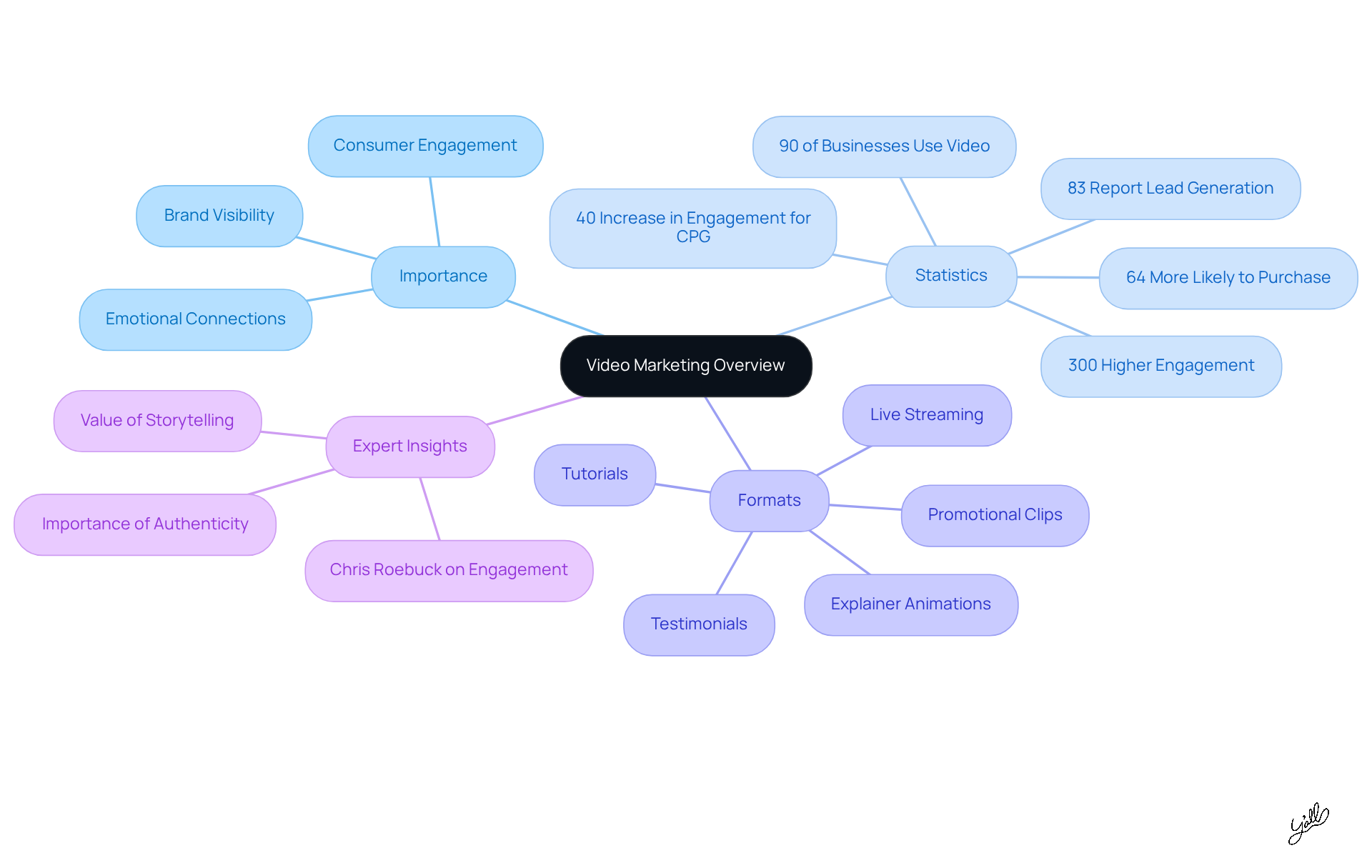
Visual marketing is the dynamic use of visual content to promote a company, product, or service, encompassing a variety of formats like promotional clips, tutorials, testimonials, and live broadcasts. For direct-to-consumer (DTC) companies, it’s an essential tool for weaving narratives, showcasing products, and forging emotional connections with consumers. As digital consumption increasingly leans towards visual content, brands must seize this opportunity to capture attention and ignite engagement.
The power of visual marketing is underscored by striking statistics:
- A whopping 90% of businesses are now integrating visuals into their marketing strategies.
- 83% of visual marketers affirm that such content aids in lead generation.
- Companies that adopt systematic visual methodologies report engagement rates soaring up to 300% higher than traditional formats.
- This trend is particularly pronounced in the consumer packaged goods (CPG) sector, where brands like Square have achieved a remarkable 40% increase in global engagement through structured visual frameworks.
DTC companies can leverage various film formats to amplify their effectiveness. Take live streaming, for example - it fosters real-time engagement and allows brands to connect directly with their audience during product launches or Q&A sessions. Additionally, explainer animations serve to inform potential clients, significantly boosting conversion rates - 64% of consumers are more likely to make a purchase after viewing structured content.
Professional insights further illuminate the importance of visual promotion. Chris Roebuck, CEO of Clicktivated, notes that visual content has evolved into an immersive format that enhances consumer engagement and storytelling. As we approach 2025, the imperative for DTC brands to embrace visual content is crystal clear; it not only elevates brand visibility but also cultivates stronger relationships with consumers, ultimately driving sales and fostering loyalty. Don’t wait - now is the time to harness the power of visual marketing!
Contextualize the Importance of Video Marketing for DTC Brands
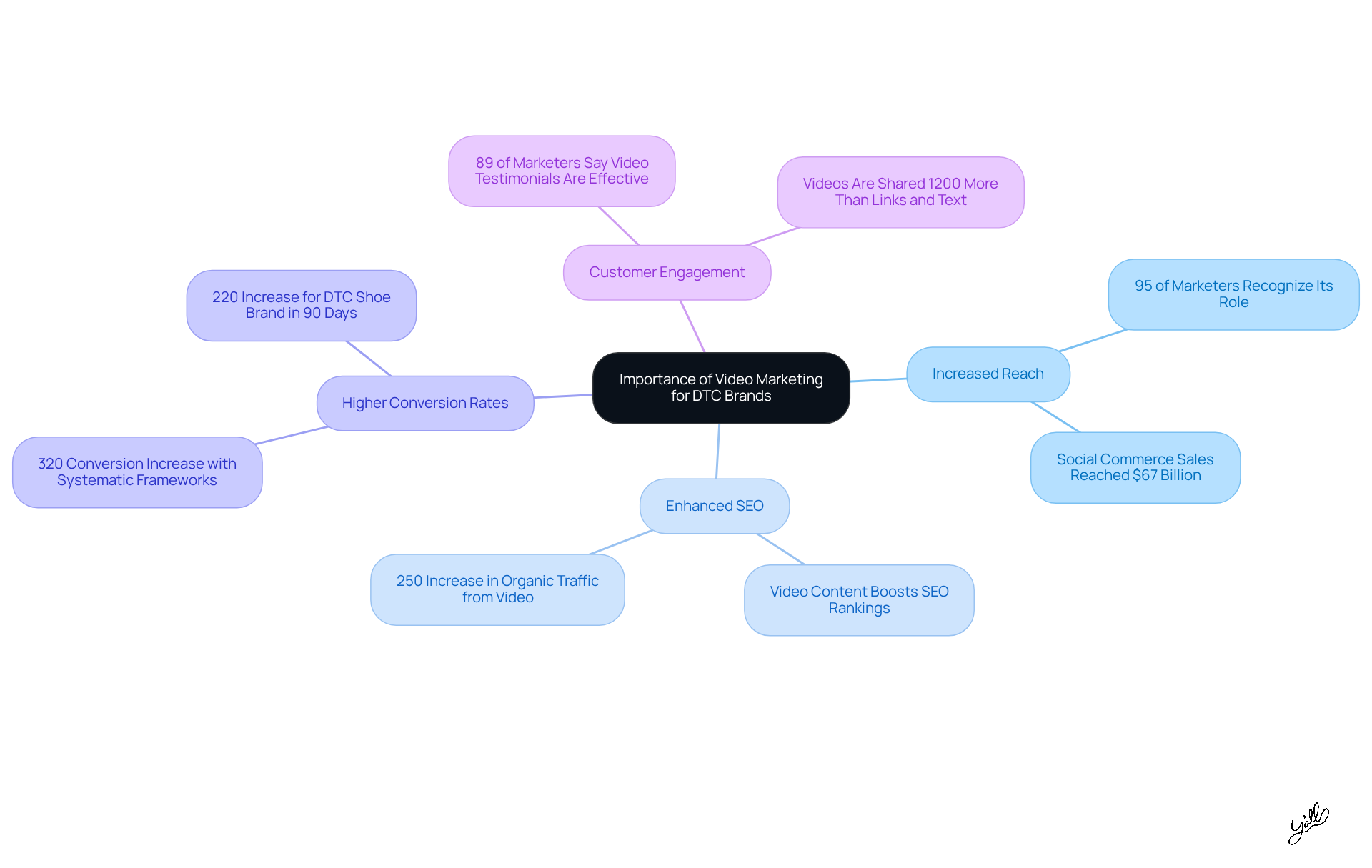
In 2025, visual marketing is not just important; it’s a game-changer for DTC strategies! A staggering 95% of marketers recognize its crucial role. Brands that harness the power of visual content can dramatically expand their reach and forge deeper connections with their audiences. Video content doesn’t just boost recognition; it’s a powerhouse for enhancing SEO rankings, making it easier for potential customers to discover your products.
For DTC companies, integrating visual content is linked to skyrocketing conversion rates. Research shows that consumers are far more likely to make a purchase after engaging with product visuals. This trend underscores the urgent need for companies to include an introduction to video marketing in their promotional strategies, ensuring they remain competitive and relevant in a fast-evolving digital landscape.
Even more exciting, brands that employ structured visual frameworks have reported conversion rate increases of up to 320%! This highlights just how effective this approach can be in driving sales and enhancing customer engagement. Don’t miss out - embrace visual marketing now and watch your business thrive!
Trace the Origins and Evolution of Video Marketing
Video marketing has a rich history that dates back to the early 1940s, when Bulova aired the very first television commercial for just $9, reaching around 4,000 viewers. Can you imagine? As technology advanced, the advertising landscape transformed dramatically. The 1990s ushered in the internet, paving the way for digital formats that changed everything. Then came YouTube in 2005 - a game changer! It empowered companies to connect with global audiences without the limitations of traditional media. This shift didn’t just democratize content creation; it also allowed brands to harness user-generated content (UGC Ads), boosting authenticity and engagement like never before.
Over the years, the introduction to video marketing has evolved in response to changing consumer behaviors and technological advancements. The rise of mobile devices has led to a surge in mobile media consumption, with over half of YouTube views now coming from mobile users. Short-form content is all the rage, thanks to platforms like TikTok and Instagram, which showcase quick clips that capture attention in mere seconds. Plus, the addition of live streaming and interactive elements has taken viewer experiences to new heights, turning this medium into a dynamic engagement tool.
Brands that have thrived in this shifting landscape are those embracing AR experiences, which can boost purchase likelihood by a staggering 70%! As the visual promotion arena continues to evolve, the introduction to video marketing is crucial for DTC companies to adopt these innovations and remain relevant while effectively connecting with their audiences. That’s where Y'all comes in! As an integrated performance creative agency, we’re uniquely positioned to guide DTC brands through this exciting landscape, leveraging innovative performance creative strategies and strategic media buying - including Creative Analytics - to drive growth and engage audiences like never before. Don’t miss out on the opportunity to elevate your brand!

Identify Key Characteristics of Effective Video Marketing Strategies
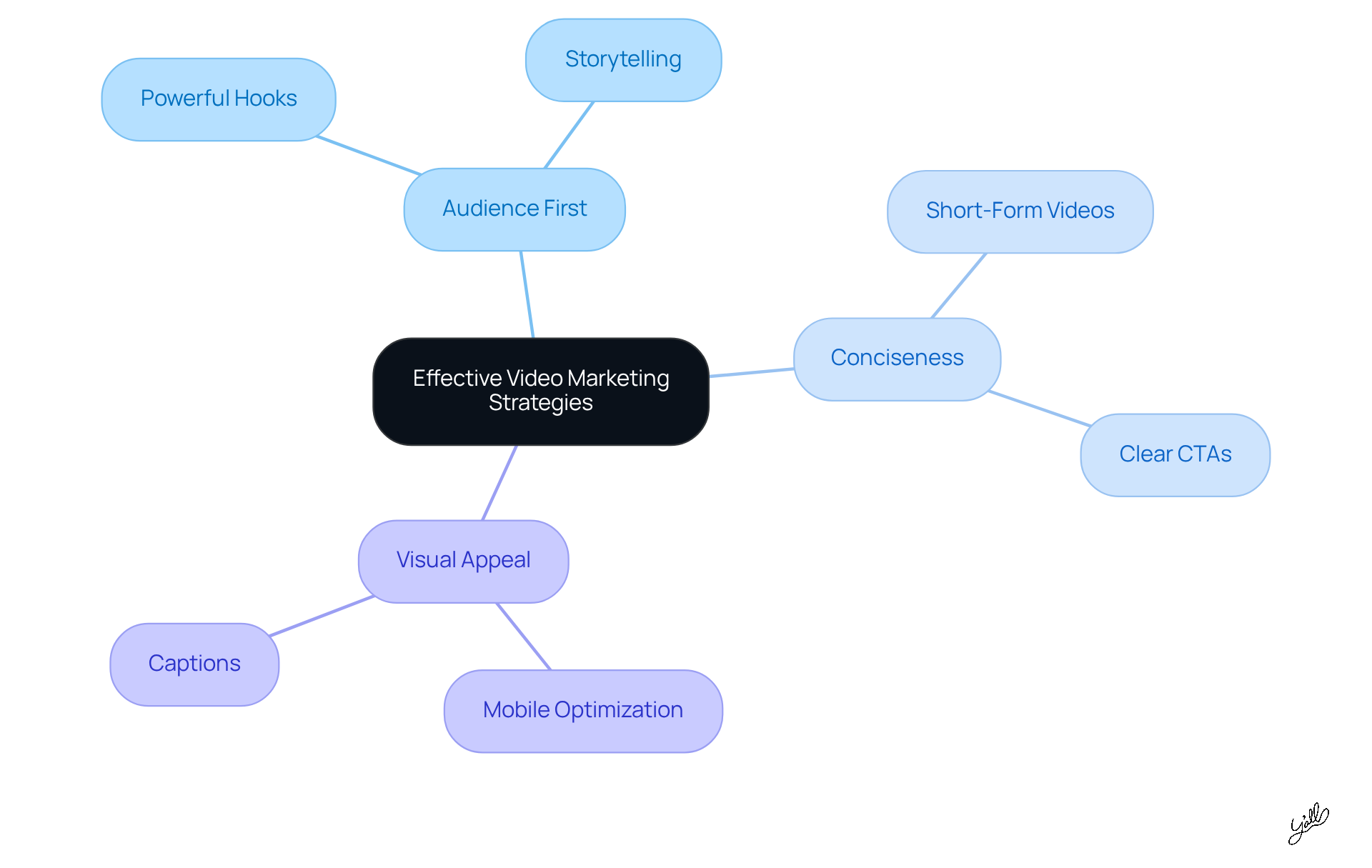
When it comes to effective marketing strategies for visuals, a few key characteristics stand out:
- They put the audience first
- Keep things concise
- Are visually stunning!
Successful clips grab attention right from the start, often using powerful hooks or captivating stories that resonate. By weaving in storytelling elements that stir emotions, you create deeper connections with viewers, making your content not just relatable but unforgettable.
And let’s not forget about mobile viewing! It’s crucial to optimize your clips for mobile users, who engage with visual content twice as much as traditional TV watchers. Adding captions is a game-changer; it boosts accessibility and engagement since a whopping 92% of viewers consume media with the sound off.
But that’s not all! Integrating clear calls-to-action (CTAs) is vital. These guide your audience toward their next steps, whether it’s visiting your website or making a purchase. By honing in on these characteristics, DTC brands can craft video content that truly makes an impact. Just think about it: 85% of viewers are more likely to make a purchase after watching a product video! So, let’s harness this power and drive those results!
Conclusion
Video marketing isn’t just an option for direct-to-consumer (DTC) brands anymore; it’s an absolute must! In a world where visual content reigns supreme, DTC companies have to tap into the incredible power of video to truly engage consumers, boost brand visibility, and drive those all-important sales. The evolution of video marketing has made its significance crystal clear: those who adapt will not just survive but thrive in this fiercely competitive landscape.
Throughout this article, we’ve uncovered key insights into the undeniable effectiveness of video marketing. Statistics show that businesses embracing visual content experience staggering increases in engagement and conversion rates - some soaring by up to 320%! The journey of video marketing, from traditional TV ads to interactive, mobile-optimized content, underscores the urgent need for DTC brands to innovate and forge meaningful connections with their audiences. Effective video strategies, characterized by audience-centric content and captivating storytelling, further highlight the immense potential for success in this dynamic medium.
In a digital world where attention spans are fleeting, the message is loud and clear: DTC brands must seize the transformative power of video marketing! By doing so, they not only elevate their marketing efforts but also cultivate deeper connections with consumers, paving the way for increased loyalty and sales. As the landscape continues to evolve, those who embrace video marketing won’t just keep up - they’ll set the standard for engagement and innovation in their industries!
Frequently Asked Questions
What is video marketing?
Video marketing is the dynamic use of visual content to promote a company, product, or service, including formats such as promotional clips, tutorials, testimonials, and live broadcasts.
Why is video marketing important for direct-to-consumer (DTC) companies?
Video marketing is essential for DTC companies as it helps weave narratives, showcase products, and forge emotional connections with consumers, which is crucial in an increasingly visual digital landscape.
What are some statistics that highlight the effectiveness of visual marketing?
Key statistics include that 90% of businesses are integrating visuals into their marketing strategies, 83% of visual marketers believe it aids in lead generation, and companies using systematic visual methodologies report engagement rates up to 300% higher than traditional formats.
How does visual marketing impact the consumer packaged goods (CPG) sector?
In the CPG sector, brands using structured visual frameworks have achieved significant results, such as a 40% increase in global engagement.
What are some effective film formats for DTC companies?
Effective film formats for DTC companies include live streaming for real-time engagement and explainer animations that inform potential clients and boost conversion rates.
What is the impact of explainer animations on consumer purchasing behavior?
64% of consumers are more likely to make a purchase after viewing structured content, such as explainer animations.
What insights do experts provide about the evolution of visual content?
Experts like Chris Roebuck, CEO of Clicktivated, emphasize that visual content has evolved into an immersive format that enhances consumer engagement and storytelling.
What is the future outlook for DTC brands regarding visual content?
As we approach 2025, it is imperative for DTC brands to embrace visual content to elevate brand visibility, cultivate stronger consumer relationships, drive sales, and foster loyalty.