Master Strategic Content to Boost DTC Brand Engagement and Growth
Introduction
Creating captivating content is absolutely vital for Direct-to-Consumer (DTC) brands eager to boost engagement and fuel growth in today’s competitive market. By tailoring content to the different stages of customer awareness, brands can seamlessly guide potential buyers from that initial spark of curiosity all the way to confident purchasing decisions.
But here’s the kicker: the real challenge is pinpointing those high-impact content ideas and measuring their effectiveness to ensure they truly resonate with the target audience.
So, what strategies can DTC brands implement to not just grab attention but also transform interest into decisive action?
Align Content with Customer Awareness Levels
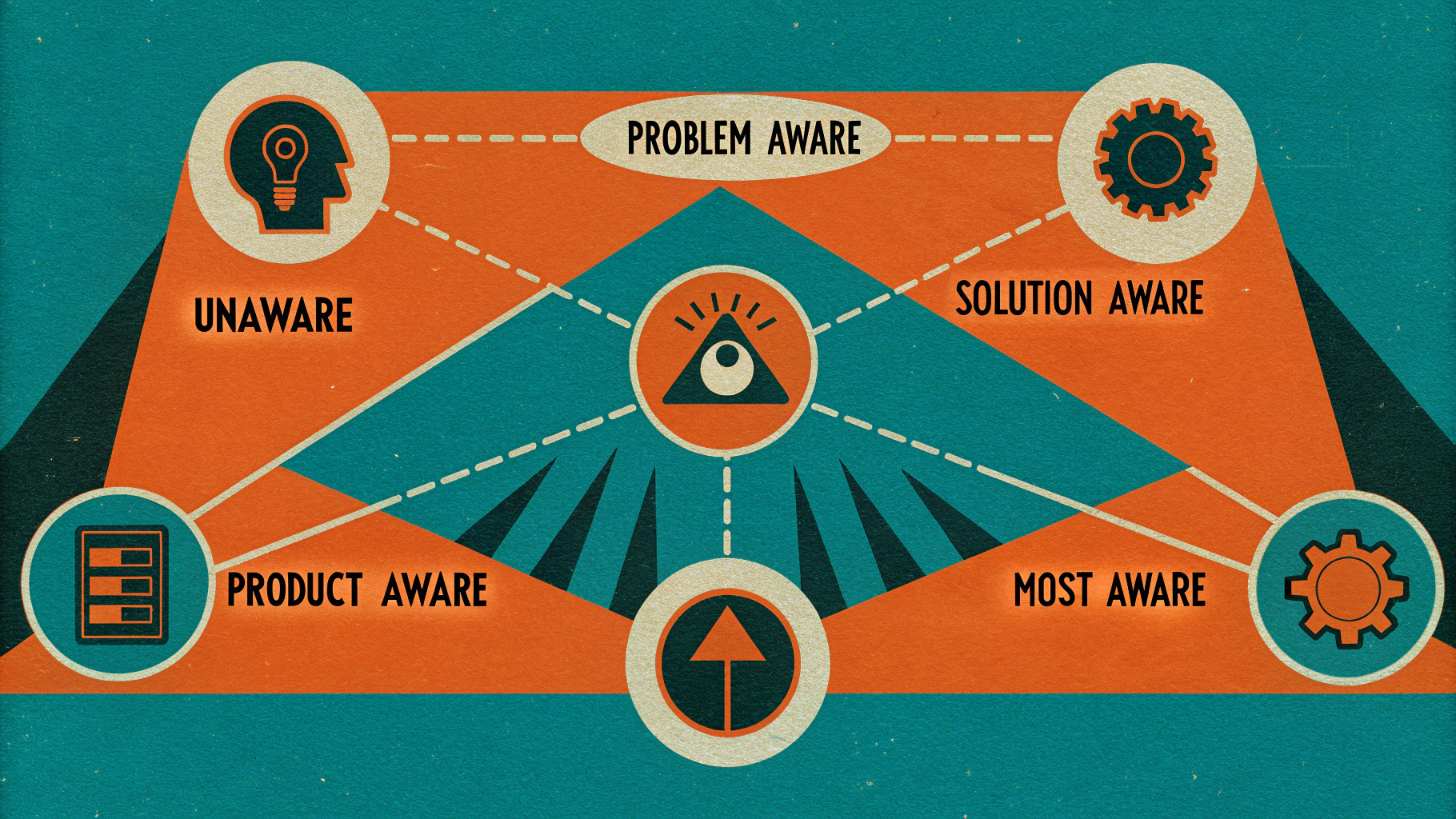
To truly captivate your audience, it’s essential to align your content with the various stages of customer awareness. Eugene Schwartz's framework lays out five distinct stages: Unaware, Problem Aware, Solution Aware, Product Aware, and Most Aware. Each stage calls for a tailored approach that can ignite interest and drive action!
-
Unaware: Customers at this stage don’t even realize they have a problem. Your content should focus on raising awareness through informative articles or eye-catching social media updates that highlight common issues, drawing attention to the need for a solution. Did you know that over 70% of U.S. shoppers bought from a DTC brand at least once in 2024? That’s a booming market waiting for your message!
-
Problem Aware: Here, customers recognize they have a problem but are unsure of the solutions. Your content should dive into the problem and introduce potential solutions, using engaging blog posts or videos that discuss common challenges and their implications. Emotional connections are crucial at this stage - high-maturity brands see impressive customer retention rates!
-
Solution Aware: Now, customers are aware of possible solutions. Your content should compare different options, showcasing your product's unique benefits through compelling case studies or testimonials that illustrate real-world applications and successes. For example, Y'all helped ZYN Turmeric expand their DTC operation with innovative planning and media purchasing, resulting in a staggering 300% increase in landing page conversion rates and a surge in new customer acquisition!
-
Product Aware: At this stage, customers know about your product but need a little extra convincing. Use detailed product descriptions, user reviews, and striking visuals to reinforce their decision and address any lingering doubts. Y'all's partnership with Save Trees is a perfect example, as they significantly scaled their spend while maintaining target CAC, proving the power of a well-structured marketing approach!
-
Most Aware: These customers are primed to purchase! Your content should feature strong calls to action, limited-time offers, and seamless navigation to the purchase page, creating urgency and simplifying the buying process. Y'all's collaboration with OceanBlue led to a 70% increase in engagement and a 50% drop in bounce rates, showcasing how strategic enhancements can elevate your online presence and drive conversions!
By strategically customizing your strategic content to these stages, you can supercharge engagement and drive conversions, ultimately creating a more effective marketing approach. But beware of common pitfalls, like failing to address customer pain points or neglecting clear calls to action - these can seriously hinder your effectiveness!

Identify and Prioritize High-Impact Content Ideas
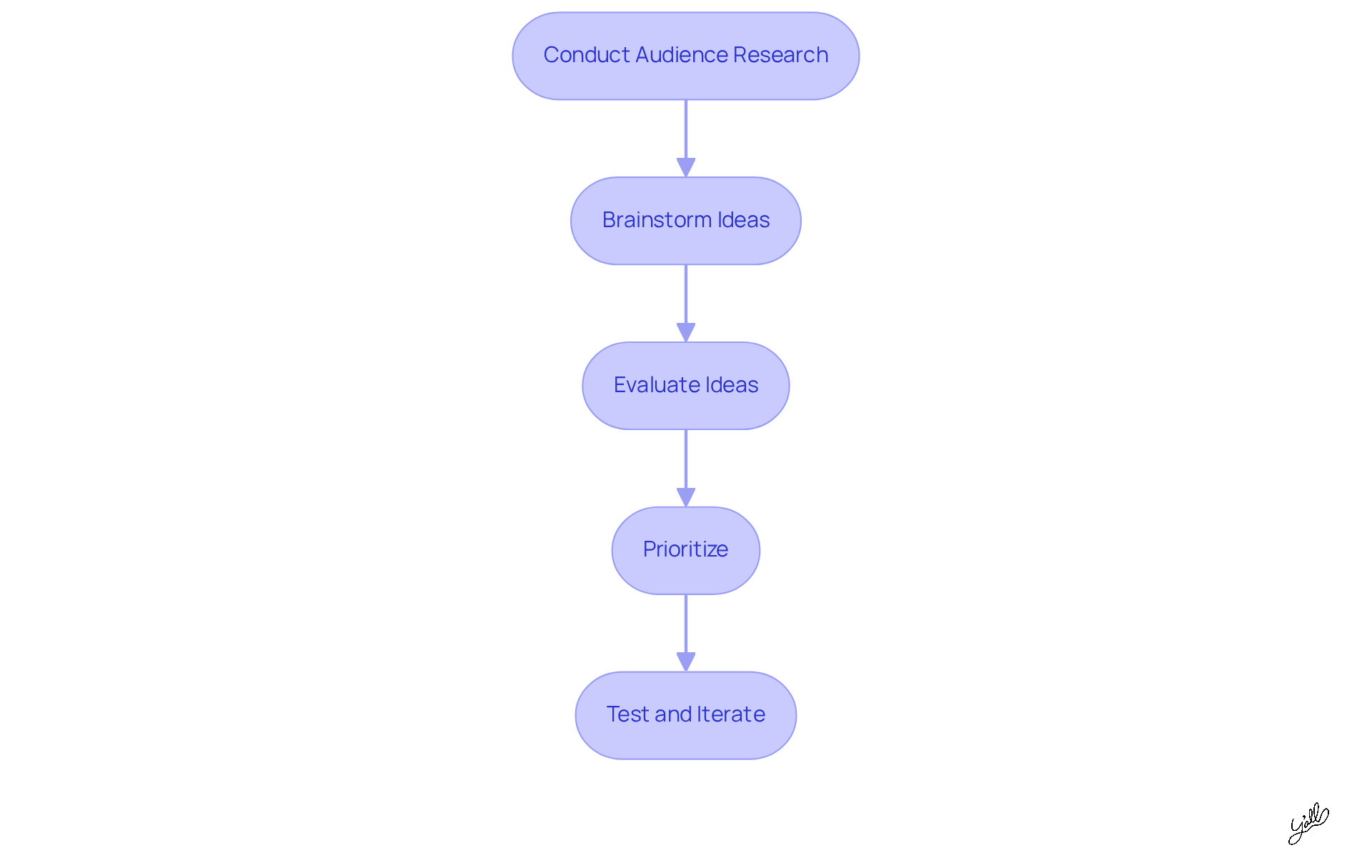
To supercharge your strategy, it’s crucial to identify and prioritize high-impact ideas that can be developed into strategic content to truly make a difference! Here’s how you can do just that:
- Conduct Audience Research: Dive deep into surveys, social media insights, and customer feedback to uncover the topics that truly resonate with your audience. Tools like Google Trends are your best friends here, helping you spot trending subjects that align perfectly with consumer interests.
- Brainstorm Ideas: Gather your team for dynamic brainstorming sessions to unleash a flood of diverse topic ideas. Foster creativity and utilize techniques like mind mapping to explore every angle on each topic - the sky's the limit!
- Evaluate Ideas: Set up a scoring system to assess your ideas based on relevance, potential reach, and alignment with your business goals. Don’t forget to factor in SEO potential and audience interest to ensure your content grabs attention!
- Prioritize: Focus on those highest-scoring ideas that shine the brightest. Create a schedule that dedicates time and resources to these prioritized subjects, ensuring a steady stream of strategic content that captivates your audience.
- Test and Iterate: Launch your pieces and keep a close eye on their performance! Use analytics to pinpoint what works and refine your approach based on those invaluable data-driven insights.
By following these steps, DTC brands can laser-focus their efforts on ideas that promise the highest returns, driving engagement and fueling growth like never before!
Measure and Optimize Content Performance
To make your strategy truly effective, you must measure and optimize performance continuously! Here are the key steps you need to follow:
- Define Key Performance Indicators (KPIs): Start by establishing clear KPIs that align with your business goals. Think engagement rates, conversion rates, and traffic metrics - these are your guiding stars!
- Use Analytics Tools: Don’t miss out on powerful tools like Google Analytics, HubSpot, or social media insights to track your performance. Keep an eye on metrics such as page views, bounce rates, and time spent on page to gauge effectiveness.
- A/B Testing: Dive into A/B testing for various formats, headlines, and calls to action. This is your chance to discover what truly resonates with your audience and refine your approach accordingly!
- Gather Feedback: Encourage your audience to share their thoughts through comments, surveys, and social media interactions. This qualitative data can provide invaluable insights into how your material is perceived.
- Iterate and Improve: Use the data you gather to make informed decisions about your upcoming material. Adapt your approach based on what works, and always be on the lookout for ways to amplify the impact of your content!
By measuring and optimizing performance, DTC brands can ensure their marketing efforts and strategic content are not just effective but also perfectly aligned with audience expectations. Now, let’s get to work!

Integrate Creative Strategies with Media Buying
To supercharge your marketing initiatives, blending innovative approaches with media purchasing is absolutely essential! Here’s how you can make it happen:
- Craft a unified plan by creating a comprehensive marketing strategy that clearly outlines how your strategic content aligns with media purchasing efforts. It’s crucial that both teams share the same goals and messaging to create a seamless approach.
- Harness Data Insights: Tap into data from past campaigns to shape your innovative strategy. Identify which content types shine on specific platforms and tweak your materials accordingly to ramp up engagement.
- Collaborate Across Teams: Foster collaboration between your creative and media buying teams. Regular meetings ensure that fresh ideas align with communication plans and that everyone is in the loop about upcoming campaigns, boosting overall efficiency.
- Assess and Optimize: Implement A/B testing for both creative content and media placements. Dive into performance data to uncover the most effective combinations and refine your strategies based on these insights.
- Monitor and Adapt: Keep a close eye on campaign performance and be ready to pivot both concepts and media plans based on real-time data. Flexibility is key to maximizing your return on investment!
By merging creative strategies with media buying, DTC brands can forge a unified marketing approach that ignites engagement and fuels growth!

Conclusion
In today’s fast-paced world, crafting strategic content that truly resonates with customers at every awareness level is absolutely vital for DTC brands eager to boost engagement and drive growth. By grasping the stages of customer awareness - from the uninitiated to the most informed - brands can tailor their messaging and content to meet their audience right where they are. This approach not only fosters stronger connections but also encourages conversions like never before!
Throughout this article, we’ve outlined key strategies that are essential for success. Aligning content with customer awareness levels, pinpointing high-impact content ideas, measuring performance, and integrating creative strategies with media buying are all crucial steps. Each of these elements is designed to ensure that your content doesn’t just capture attention but also drives action. It’s time for DTC brands to embrace a comprehensive and data-driven approach to their marketing efforts!
In a marketplace that’s evolving at lightning speed, the importance of strategic content is more significant than ever. DTC brands must continually assess and adapt their strategies, leveraging insights and analytics to refine their content and media plans. By doing this, brands can not only enhance engagement but also achieve sustainable growth, ensuring they stay competitive and relevant in the eyes of their customers. Don’t wait - take action now and watch your brand thrive!
Frequently Asked Questions
What are the five stages of customer awareness according to Eugene Schwartz's framework?
The five stages of customer awareness are Unaware, Problem Aware, Solution Aware, Product Aware, and Most Aware.
What should content focus on for customers in the Unaware stage?
Content for the Unaware stage should raise awareness about common issues through informative articles or eye-catching social media updates that highlight the need for a solution.
How can content engage customers who are Problem Aware?
For Problem Aware customers, content should delve into the problem and introduce potential solutions, using engaging blog posts or videos that discuss common challenges and their implications, while also fostering emotional connections.
What type of content is effective for customers who are Solution Aware?
For Solution Aware customers, content should compare different options and showcase the unique benefits of your product through compelling case studies or testimonials that illustrate real-world applications and successes.
What strategies should be used for customers in the Product Aware stage?
Content aimed at Product Aware customers should include detailed product descriptions, user reviews, and striking visuals to reinforce their decision and address any lingering doubts.
What should content include for customers who are Most Aware?
For Most Aware customers, content should feature strong calls to action, limited-time offers, and seamless navigation to the purchase page to create urgency and simplify the buying process.
What are some common pitfalls to avoid when creating content for these customer awareness stages?
Common pitfalls to avoid include failing to address customer pain points and neglecting clear calls to action, as these can hinder the effectiveness of your marketing approach.