Master the Shopify ChatGPT Media Stack for DTC Brand Success

Introduction
Harnessing the power of AI in e-commerce isn’t just a luxury anymore; it’s a must for direct-to-consumer (DTC) brands eager to excel in a fiercely competitive market. Imagine the transformation that comes with integrating ChatGPT into Shopify-revolutionizing customer interactions and amplifying product visibility. This isn’t just an upgrade; it’s a golden opportunity for brands to elevate user experiences and supercharge sales!
But let’s be real: the journey to successful implementation is packed with technical hurdles and strategic decisions. So, how can brands skillfully navigate this dynamic landscape to not just keep up but to lead the way in AI-driven commerce? The time to act is now!
Establish Technical Alignment for ChatGPT Integration
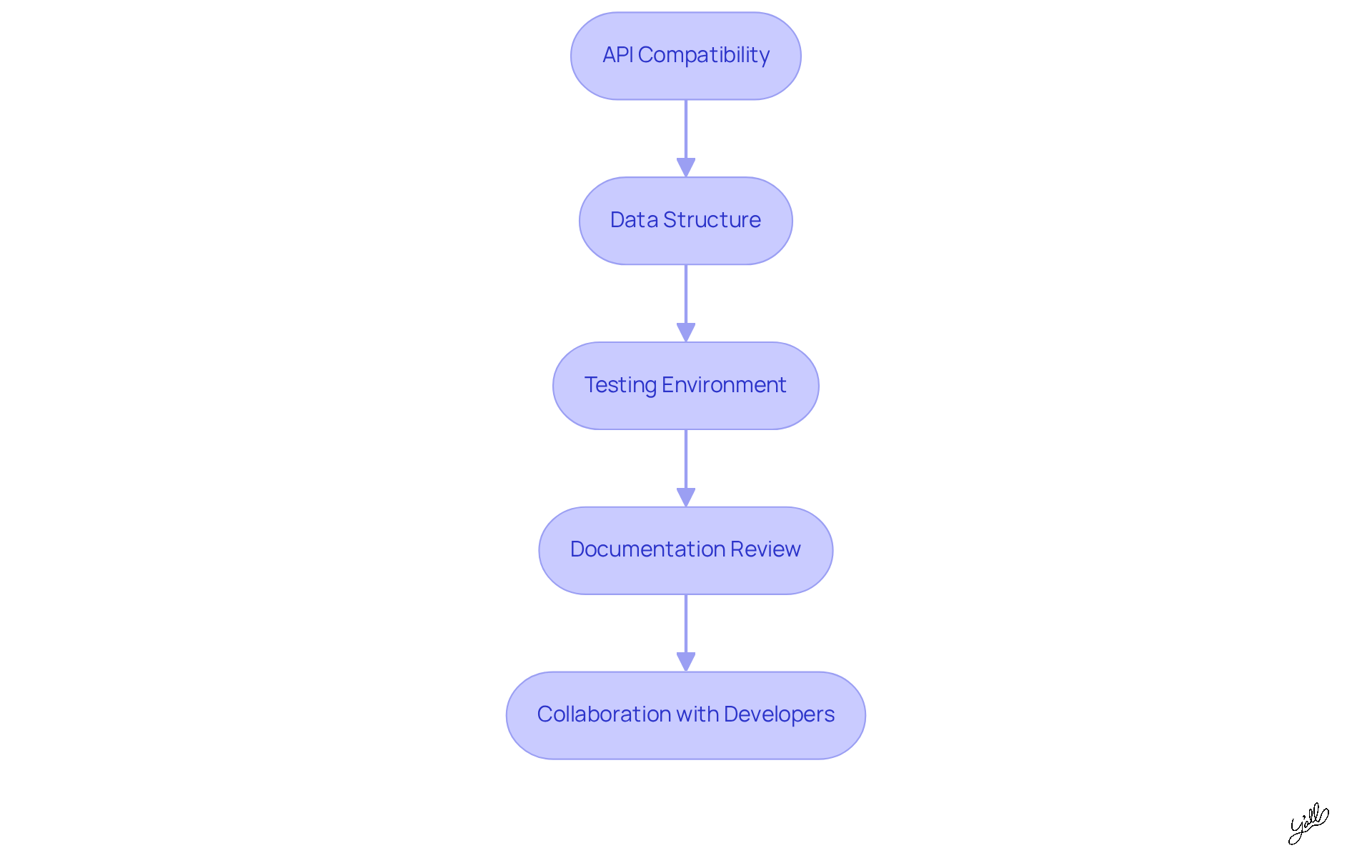
Ready to supercharge your Shopify store with AI? Let’s dive in! First things first: evaluate your existing technical infrastructure. It’s crucial that your Shopify store can accommodate API connections, as this will lay the groundwork for your AI chat system’s functionality. Here’s how to get started:
- API Compatibility: Make sure your Shopify store can seamlessly interact with the AI model through APIs. Check your current API version to ensure it meets all integration requirements.
- Data Structure: Organize your item data in a structured format that’s easily accessible to ChatGPT. Use clear naming conventions and keep product attributes consistent.
- Testing Environment: Set up a staging environment to test the connection before going live. This way, you can troubleshoot without affecting your active store.
- Documentation Review: Get familiar with the connection documentation from both Shopify and the AI model. Understanding the technical requirements and limitations will help you dodge common pitfalls.
- Collaboration with Developers: If you’re not tech-savvy, consider teaming up with a developer who’s skilled in API connections. Their expertise can streamline the process and make implementation a breeze.
Building a solid technical foundation within the shopify chatgpt media stack is key to ensuring your integration runs smoothly, enhancing user experience and driving sales. Don’t forget to leverage CRO strategies to optimize your landing pages and implement effective post-purchase upsells. This cohesive approach ties technical execution to strategic growth initiatives, setting you up for success!
Optimize Product Titles and Descriptions for AI Discovery
Want to supercharge your item's visibility through ChatGPT? It all starts with optimizing your titles and descriptions! Here are some powerful strategies to get you there:
-
Keyword Research: Dive deep into keyword analysis to discover the terms your potential customers are using when searching for items like yours. Tools like Google Keyword Planner or SEMrush can provide you with invaluable insights into trending keywords and search volumes. This is your chance to get ahead!
-
Descriptive Titles: Craft titles that are not just descriptive but also packed with keywords. Instead of a plain 'T-shirt', go for something like 'Organic Cotton Graphic T-shirt for Men'. This specificity not only enhances AI indexing but also boosts your search visibility. Brands that embrace descriptive titles have seen a staggering 139% increase in organic shopping revenue-talk about results!
-
Compelling Descriptions: Write captivating descriptions that shine a light on your unique selling points, advantages, and features. Use bullet points for easy reading and weave in keywords naturally to keep the flow smooth. But beware of keyword stuffing; it can hurt your click-through rates!
-
Utilize AI tools from the shopify chatgpt media stack to whip up optimized item descriptions. Just input your item details, and watch as you receive suggestions for engaging text that perfectly aligns with your brand voice and resonates with your target audience.
-
A/B Testing: Don’t forget to implement A/B testing for different titles and descriptions! This will help you pinpoint which versions drive better engagement and conversion rates. Use analytics to track performance and make smart adjustments based on data-driven insights.
As Kelsey Robinson pointed out, half of consumers actively seek out AI-driven search engines. This makes it crucial to enhance your listings for AI visibility in the shopify chatgpt media stack. By refining your product listings, you’re not just boosting visibility; you’re paving the way for increased traffic and sales. So, what are you waiting for? Let’s get started!

Monitor and Adapt to AI and API Updates
To keep your AI application thriving, it’s crucial to stay on top of the latest technology and API updates. Here’s how you can do just that:
-
Regular Check-ins: Make it a point to schedule regular check-ins to review updates from Shopify and other sources. Subscribe to newsletters or follow their blogs to stay in the loop about exciting new features and changes. As Marilia Dimitriou, Lead Content Editor, wisely points out, "Clear titles, detailed descriptions, and up-to-date content improve your chances of being surfaced accurately in AI tools."
-
Version Control: Keep a close eye on the API version you’re using and stay informed about any deprecations or changes in functionality. This proactive approach will help you plan necessary updates ahead of time. Remember, version control in API connections is vital - it ensures smoother transitions and minimizes disruptions.
-
Feedback Loop: Establish a feedback loop with your team to tackle any issues or enhancements related to system integration. This collaborative spirit can spark innovative solutions and improvements. Vanessa from Shopify emphasizes, "We’re helping everyone from indie brands to household names reach shoppers in entirely new ways."
-
Training and Resources: Invest in training for your team on the latest AI tools and technologies. Understanding how to harness new features can give you a competitive edge. With Shopify merchants potentially tapping into 122 million daily users through the Shopify ChatGPT media stack, being well-prepared is absolutely essential.
-
Performance Metrics: Keep a close watch on performance indicators related to your conversational AI implementation. Analyze client interactions and sales data to identify areas for improvement and adjust your strategies accordingly. The "First-Mover Advantage in AI Optimization" case study shows how early adopters of AI-optimized catalogs can truly dominate the market.
By actively monitoring and adapting to updates, you can ensure that your conversational AI implementation remains an invaluable asset for your DTC brand.

Enhance Customer Engagement with Conversational Interfaces
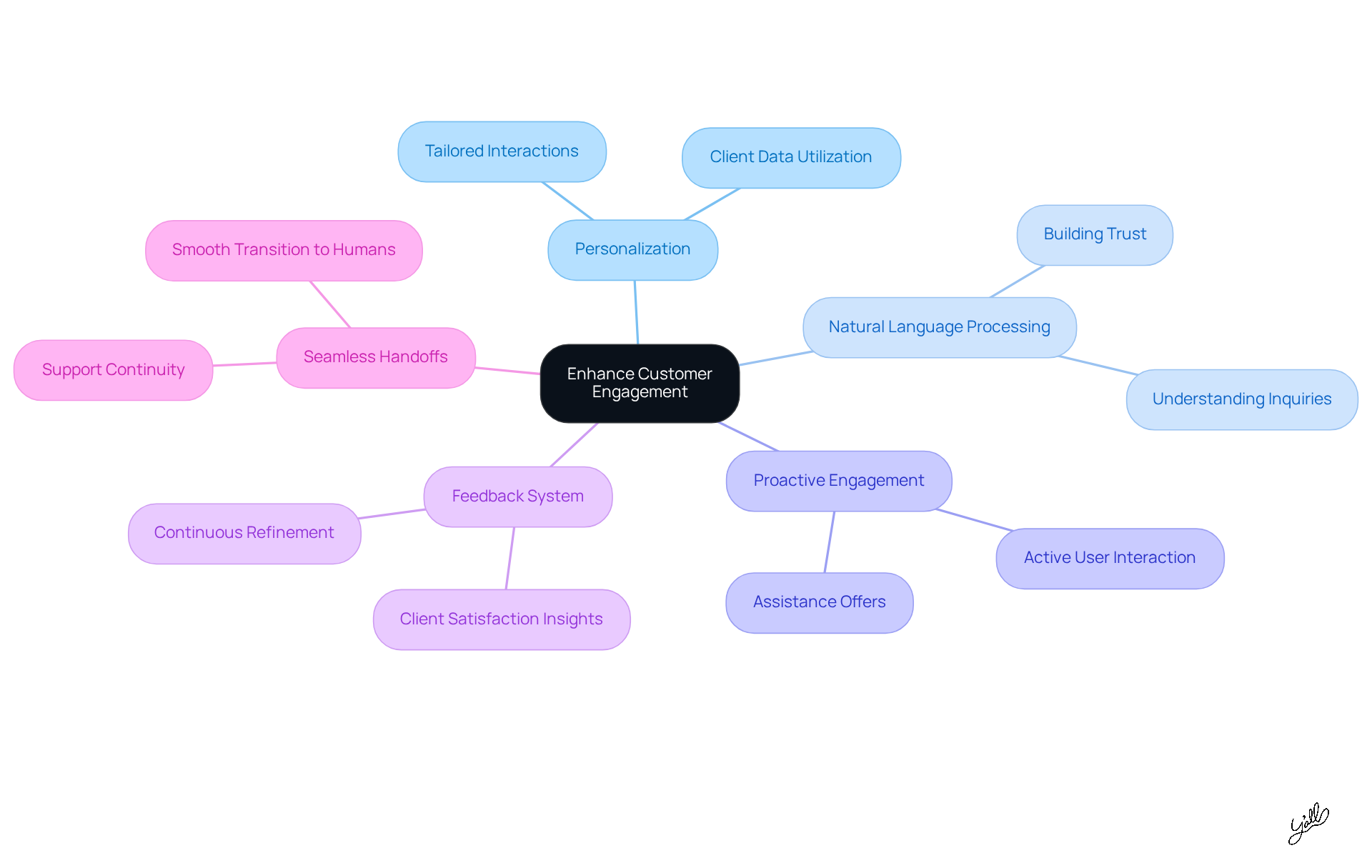
To supercharge user engagement through your ChatGPT integration, focus on crafting dynamic conversational interfaces that truly resonate! Here are some powerful strategies to get you started:
-
Personalization: Harness client data to create tailored interactions. Address clients by name and customize responses based on their past interactions or preferences. This personal touch makes all the difference!
-
Natural Language Processing: Leverage natural language processing (NLP) capabilities to ensure your conversational interface understands and responds to inquiries with precision. This not only enhances the user experience but also builds trust and loyalty.
-
Proactive Engagement: Design your interface to actively engage users. For instance, if a user hangs out on a product page, let the chatbot spark a conversation, offering assistance or extra information. This proactive approach can turn curiosity into action!
-
Feedback System: Integrate a feedback mechanism within the chat interface to gather insights on client satisfaction. Use this invaluable data to continuously refine and elevate the conversational experience.
-
Seamless Handoffs: Ensure that the transition from chatbot to human representative is smooth when needed. Customers should feel supported every step of the way, whether they’re interacting with AI or a human.
By enhancing customer engagement through these vibrant conversational interfaces, particularly utilizing the shopify chatgpt media stack, you’re not just creating a more interactive shopping experience - you’re driving higher conversion rates and fostering lasting relationships. Let’s make it happen!
Conclusion
Integrating the Shopify ChatGPT media stack is a game-changer for DTC brands eager to elevate their online presence and supercharge sales! By laying down a solid technical foundation, optimizing product visibility, and engaging customers through cutting-edge conversational interfaces, brands can harness the power of AI to craft a shopping experience that truly resonates with consumers.
Key insights reveal that:
- Ensuring API compatibility and maintaining a structured data format are crucial for effective communication between Shopify and ChatGPT.
- Optimizing product titles and descriptions with targeted keywords can dramatically enhance visibility in AI-driven searches.
- Regularly monitoring AI updates and performance metrics is vital for ongoing success!
- Engaging customers with personalized interactions and proactive support can skyrocket loyalty and conversion rates.
In conclusion, embracing the Shopify ChatGPT media stack isn’t just about adopting new technology; it’s about carving out a strategic advantage in a fiercely competitive marketplace. DTC brands must take actionable steps to implement these best practices, ensuring they stay ahead in the e-commerce innovation race. By doing so, they won’t just meet the ever-evolving expectations of consumers-they’ll pave the way for long-term growth and success in the digital landscape!
Frequently Asked Questions
What is the first step to integrate ChatGPT with a Shopify store?
The first step is to evaluate your existing technical infrastructure to ensure that your Shopify store can accommodate API connections.
Why is API compatibility important for ChatGPT integration?
API compatibility is crucial because it allows your Shopify store to seamlessly interact with the AI model, which is essential for the functionality of the chat system.
How should item data be organized for ChatGPT?
Item data should be organized in a structured format that is easily accessible to ChatGPT, using clear naming conventions and consistent product attributes.
What is a staging environment and why is it necessary?
A staging environment is a testing space set up to test the connection before going live. It allows you to troubleshoot issues without affecting your active store.
What should you review before starting the integration process?
You should review the connection documentation from both Shopify and the AI model to understand the technical requirements and limitations.
What should you do if you are not tech-savvy?
If you are not tech-savvy, consider collaborating with a developer who is skilled in API connections to streamline the integration process.
How does a solid technical foundation benefit the Shopify store?
A solid technical foundation ensures that the integration runs smoothly, enhances user experience, and drives sales.
What additional strategies should be considered alongside technical integration?
It is important to leverage Conversion Rate Optimization (CRO) strategies to optimize landing pages and implement effective post-purchase upsells for strategic growth.