
Client Background and Challenges
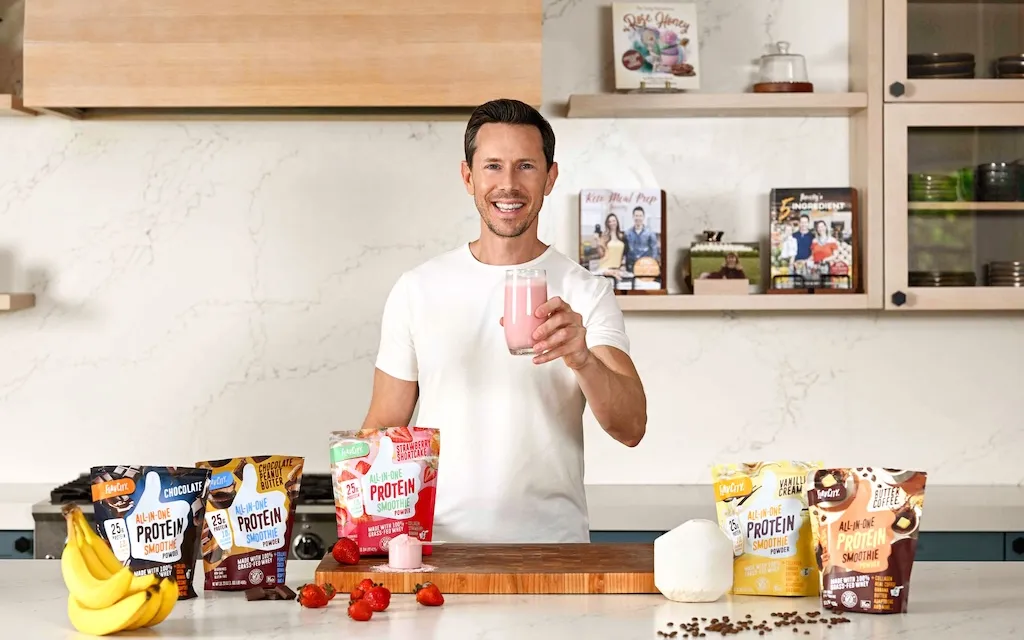
FlavCity had every ingredient for a breakout DTC brand. A founder with real credibility in the clean eating world. A product that stood up to the scrutiny Bobby's audience applies to everything he recommends. A leadership team that moved fast and knew what it wanted.
What they were missing was a partner who could match the pace. Previous agencies shipped one or two ads a month, which meant the algorithm was starving for new signals and the account was coasting on a handful of stale concepts. Paid search was pulling in branded traffic that would have converted anyway. The real money was sitting in new customer acquisition, and nobody was building the infrastructure to get it.
Outcome
We treated creative production as a learning system. Every batch generated signal the next batch could build on. That shift alone changed the economics of the account.
We 10x'd creative output in the first few months and built a testing framework that actually separated winning angles from losers. More creative gave Meta's algorithm something to work with. Cleaner testing gave us faster read on what was working and why.
A few patterns emerged quickly. UGC-style content consistently beat polished brand spots. Bobby-led trust building (leveraging his existing YouTube audience) converted at a higher rate than anonymous founder content. Direct competitor comparisons around ingredient transparency performed better than generic "clean protein" messaging.
Dozens of ads hit 3x+ ROAS. Multiple top performers sustained 5x+ over months of spend. That's the outcome that matters for a brand at FlavCity's stage, a portfolio of ads you can actually scale behind rather than a single viral hit.
10x increase in creative output and testing velocity
Created multiple ads that maintained a 5x+ ROAS

Creative

.webp)
.png)
How Y'all Did It
Creative as the Primary Growth Lever
The core shift was treating creative as the main growth lever. When creative is the bottleneck, more testing and more diversity is the answer. When targeting is the bottleneck (rare these days on Meta), that's a different conversation. FlavCity was a creative bottleneck.
15 Strategic Angles With Isolated Testing Variables
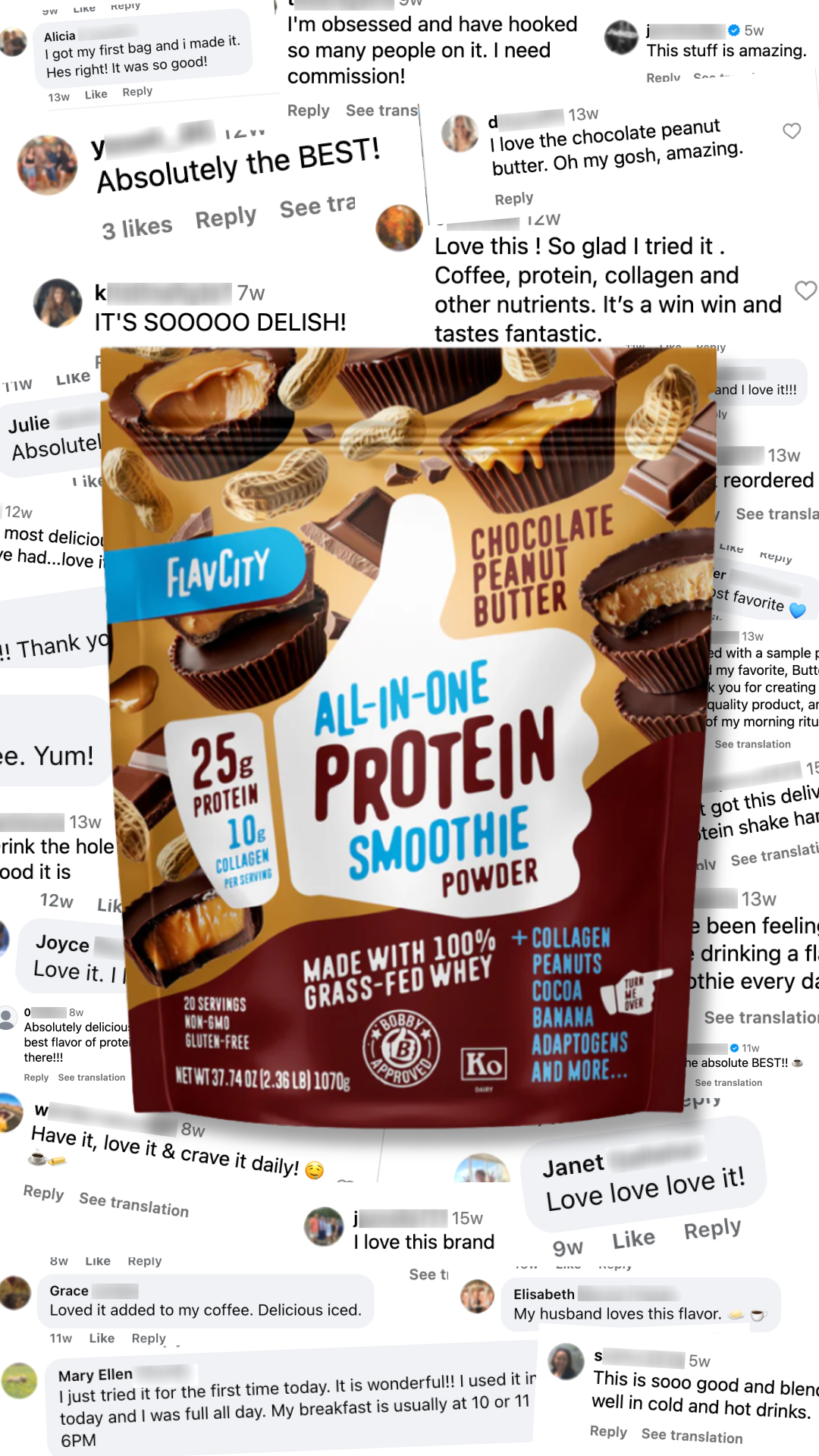
We ran testing across 15 distinct strategic angles, each with its own isolated variables. Some tested format (UGC vs polished founder content). Some tested message (transparency vs taste vs ingredient quality). Some tested visual style (handwritten notes, kitchen countertops, side-by-side comparisons). Each angle produced a cohort of ads that we could read cleanly.
Building a Portfolio of Winning Angles
A single winning angle with unlimited budget fatigues fast. That's why we built a portfolio of winners, not a single bet. Competitive positioning in one corner. Founder authority in another. Flavor-focused aspirational content for top of funnel. UGC authenticity for the middle. Seasonal pushes timed to New Year's resolutions, spring resets, and holiday gifting. Problem-solution ads that articulated pain points customers didn't know they had. Premium positioning and discount-driven acquisition running in the same portfolio, balanced through angle selection rather than a single message trying to do both jobs.
Bobby Parrish as the Creative Spine
Bobby's credibility was a bigger asset than most agencies realized. His YouTube audience already trusted his ingredient standards. We made that the spine of the creative strategy. "Bobby Approved" wasn't a marketing gimmick, it was a real commitment he makes about formulation. That translated directly to trust in paid acquisition, especially for cold audiences who'd never heard of FlavCity but recognized Bobby from content they'd seen.
Paid Search Rebuilt Around Customer Intent
On paid search, we rebuilt the account around customer intent. Branded search gets protected aggressively so competitors can't bid against Bobby's name. Category searches like "best protein powder" and "clean protein" feed new customer acquisition. We measured across multiple lenses: keyword conversion, search-to-repeat-purchase correlation, traffic quality. Last-click ROAS alone tells you very little in a category where buying journeys span weeks.
Ingredient Transparency as the Differentiation Play
The protein powder category is stuffed with brands whose ingredient lists don't survive a close read. Seed oils, artificial sweeteners, "natural flavors," thickeners. Health-conscious buyers are already checking labels. We just made it easy for them by putting the comparison in the ad itself. That was the differentiation play, and it held up because the product actually delivers.
Frequently Asked Questions
Find answers to common questions about our services and processes below.
Effective testing frameworks for CPG brands evaluate strategic angles, format variations, and messaging hierarchies systematically rather than running random creative experiments. For FlavCity, Y'all produced high creative volume across multiple angles simultaneously while maintaining consistent testing methodology. The framework prioritized learning velocity. Isolating variables clearly and testing a limited number of angles at scale (rather than dozens at low spend) gave the algorithm cleaner data to learn from. Iteration built on winners rather than abandoning them after a few weeks. Performance fed directly back into messaging strategy. When UGC-style content consistently outperformed polished founder content, the next round leaned into UGC structure while maintaining quality. That iterative refinement is what separates brands that discover breakthrough creative from those that produce volume without strategic insight.
Ingredient transparency significantly impacts conversion rates for clean label brands because health-conscious consumers actively evaluate what's not in products. Many have been burned by brands claiming "clean" while hiding questionable ingredients behind unfamiliar terminology. For FlavCity, messaging explicitly calling out health benefits resonated because it addressed legitimate consumer concerns. Y'all developed creative comparing FlavCity's ingredient list to competitor formulations, visually highlighting the additives and positioning transparency as a competitive advantage. This approach performs well when it acknowledges real decision-making criteria rather than making vague "healthy" claims. Transparency messaging works when paired with clear visual comparison and specific ingredient callouts, not because transparency is inherently magical, but because it answers the question your audience is already asking.
Health and wellness brands should align seasonal campaigns with natural health mindset moments beyond standard retail holidays. While Black Friday and Cyber Monday drive sales through discounts, New Year's resolutions, spring wellness resets, and back-to-school routines create high-intent periods for wellness products specifically. Y'all developed seasonal content for FlavCity that connected promotions to resolution mindset, holiday gifting opportunities, and health-focused shopping periods. Seasonal success requires authentic connection between timing and wellness goals rather than forcing generic holiday promotions. Wellness brands can also create proprietary seasonal moments (like wellness challenges) that drive engagement outside traditional retail calendars.
Protein brands can overcome taste objections through demonstration, expert validation, and sensory language that makes flavor tangible. For FlavCity, Y'all created content showcasing texture (pouring into glass), variety (rapid flavor montages), and third-party validation (barista taste test with genuine surprise reaction). The barista challenge video proved particularly effective because professional expertise validated "tastes amazing" claims more credibly than brand assertions. Flavor variety positioning also addressed the common objection of getting stuck with one taste, emphasizing customization and trial kits that lowered commitment risk. Taste messaging works best when paired with visual demonstration and external validation rather than relying solely on brand claims.
UGC-style creative works effectively for wellness products because authentic peer recommendations build trust more powerfully than polished brand advertising. Health-conscious consumers are inherently skeptical of corporate wellness claims and respond better to content that feels like genuine customer sharing rather than paid promotion. Y'all developed UGC-style formats for FlavCity including handwritten sticky notes, real kitchen countertop settings, and informal presentation that mimicked friend recommendations. This aesthetic breaks through polished ad noise and creates relatability that premium product shots cannot achieve. However, UGC effectiveness requires maintaining authentic presentation—overly produced "UGC-style" content loses the trust signal that makes the format valuable.
Paid search complements creative-driven social campaigns by capturing demand generated through brand awareness and category education. For CPG brands like FlavCity, social creative introduces products to new audiences and builds brand familiarity, while search captures high-intent customers actively searching for protein powder solutions. Y'all structured FlavCity's search campaigns to protect branded traffic from competitors while expanding into category terms that captured consideration-stage shoppers. This integrated approach ensures brand awareness generated through creative testing converts efficiently through search campaigns optimized for bottom-funnel intent, creating synergistic performance that exceeds isolated channel optimization.
Food and beverage brands should prioritize metrics that indicate both immediate performance and long-term creative sustainability. Key indicators include ROAS accounting for full customer journey, cost per acquisition relative to lifetime value targets, creative fatigue rates measured by declining performance over time, and engagement metrics that predict conversion likelihood. For FlavCity, Y'all tracked which creative angles generated sustainable performance across extended spend rather than optimizing purely for initial ROAS spikes that degraded quickly. This approach identified formats and messaging that maintained efficiency at scale, enabling confident budget allocation. Brands should also monitor creative diversity within top performers to ensure testing explores multiple winning territories rather than over-indexing on single angle.
Wellness brands can successfully use discounts without undermining premium positioning by strategically deploying offers during high-intent periods and framing discounts as limited-time opportunities rather than permanent price points. Y'all implemented seasonal discount campaigns for FlavCity during Black Friday, New Year's resolutions, and product launches when consumer purchase intent peaks naturally. The discount creative emphasized time-sensitivity and maintained premium brand presentation through high-quality visuals and ingredient-focused messaging. This approach treats discounts as acquisition tools during opportune moments rather than defining brand value through constant promotions, preserving perceived quality while lowering barrier to trial.
Competitive positioning is crucial for protein powder marketing because the category is dominated by established brands with significant retail presence and marketing budgets. Direct-to-consumer brands must articulate clear differentiation to justify purchase over familiar alternatives. Y'all developed competitive content for FlavCity that exposed ingredient gaps in recognizable brands (like Costco's Premier Protein) and positioned FlavCity's transparency as superior alternative. This approach leveraged competitor brand awareness to create relevance, then pivoted to ingredient comparison that highlighted FlavCity's clean label advantage. Competitive positioning works when executed authentically around substantive product differences rather than generic "we're better" claims.
Creative testing is essential for health and wellness brands because consumer skepticism requires proving claims through multiple proof points and formats. Unlike impulse purchase categories, wellness products face objections around efficacy, taste, ingredient quality, and value that must be addressed through diverse creative approaches. For protein brands specifically, creative must overcome the "healthy protein tastes bad" assumption while differentiating in a crowded market dominated by established players. Y'all's systematic testing for FlavCity identified that certain angles (like expert barista validation and ingredient transparency comparisons) dramatically outperformed generic product showcases, enabling strategic budget allocation toward proven winners rather than guessing at messaging effectiveness.
Y'all transformed FlavCity's creative production through systematic workflow optimization and strategic diversification. Rather than producing sporadic ad creative reactively, the team established consistent production schedules testing multiple strategic angles simultaneously. This included building a comprehensive angle portfolio spanning 15 distinct approaches from UGC authenticity to founder-led trust building to competitive positioning. By creating efficient production processes and testing frameworks, Y'all could rapidly identify winning concepts, scale top performers, and eliminate underperformers without creative bottlenecks slowing optimization cycles. This velocity advantage enabled FlavCity to discover messaging angles competitors weren't testing while maintaining creative freshness across sustained spend.





Ready to scale your health and wellness CPG brand with creative velocity and strategic sophistication?
Schedule a free consultation with the Y'all team to learn how we've driven seven-figure revenue for protein brands like FlavCity through systematic creative testing and integrated paid media.

