Creative
Performance creative for DTC brands on Meta, TikTok, and YouTube. Concept through delivery, iterated against live ad data.
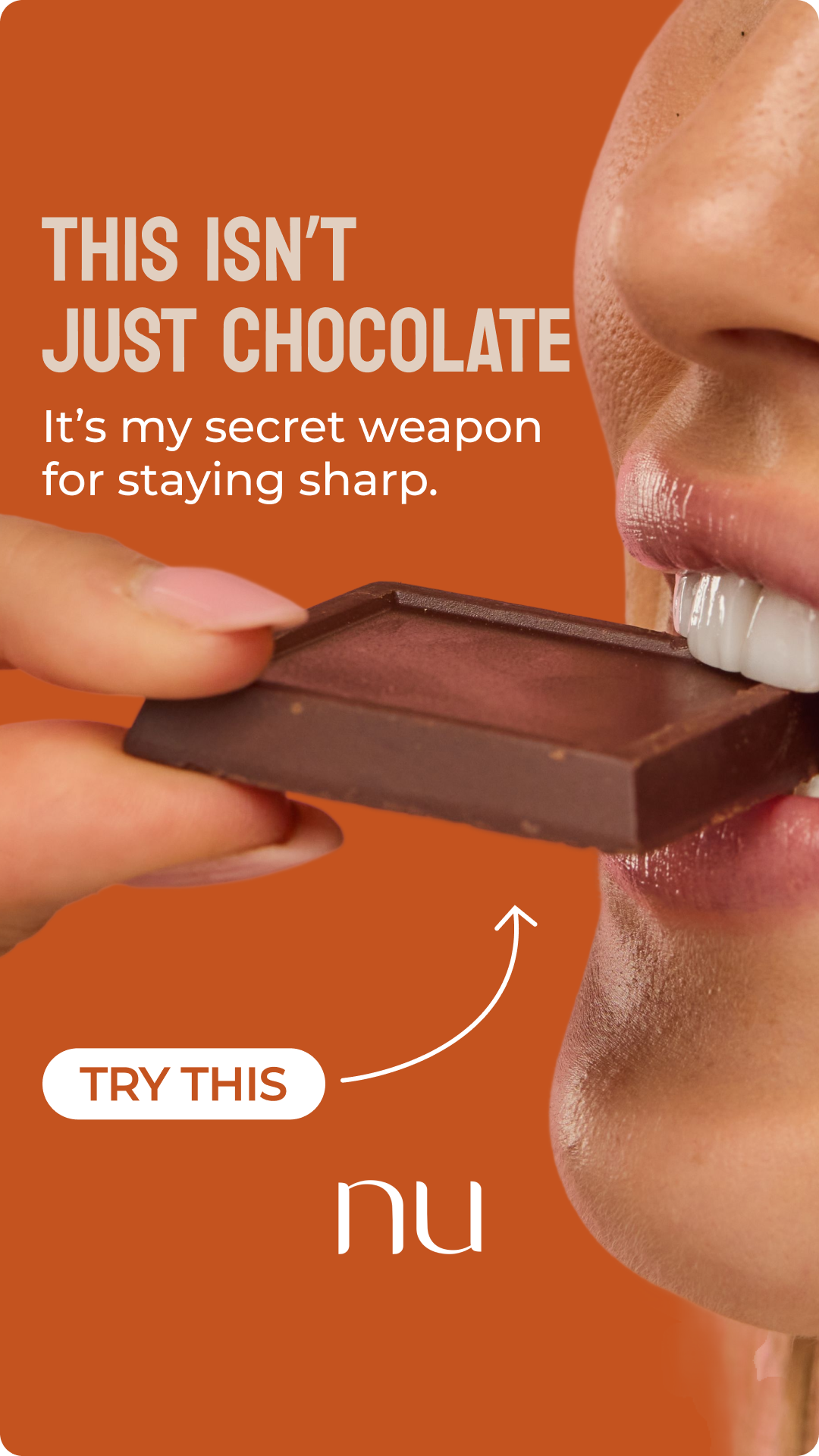

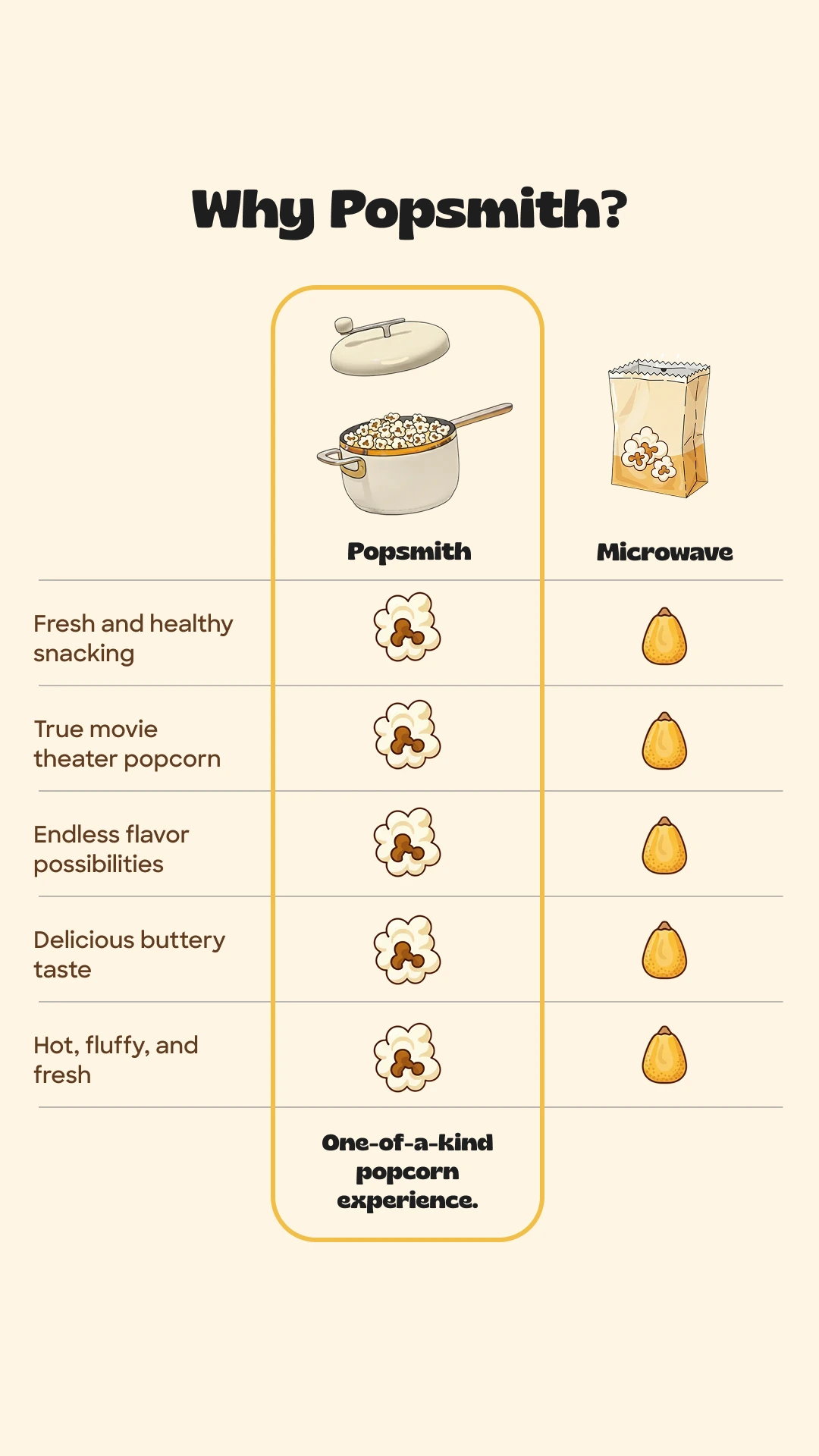
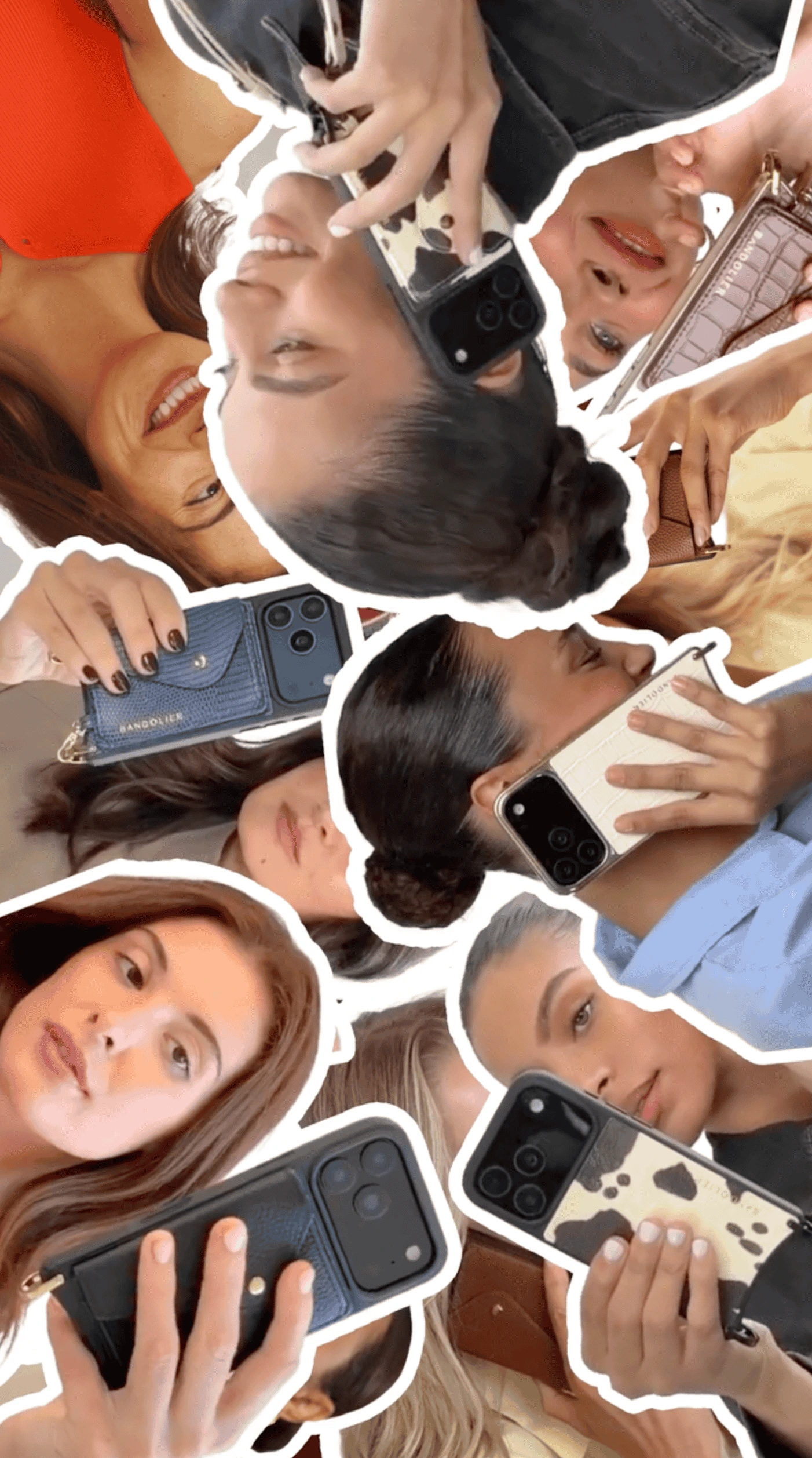
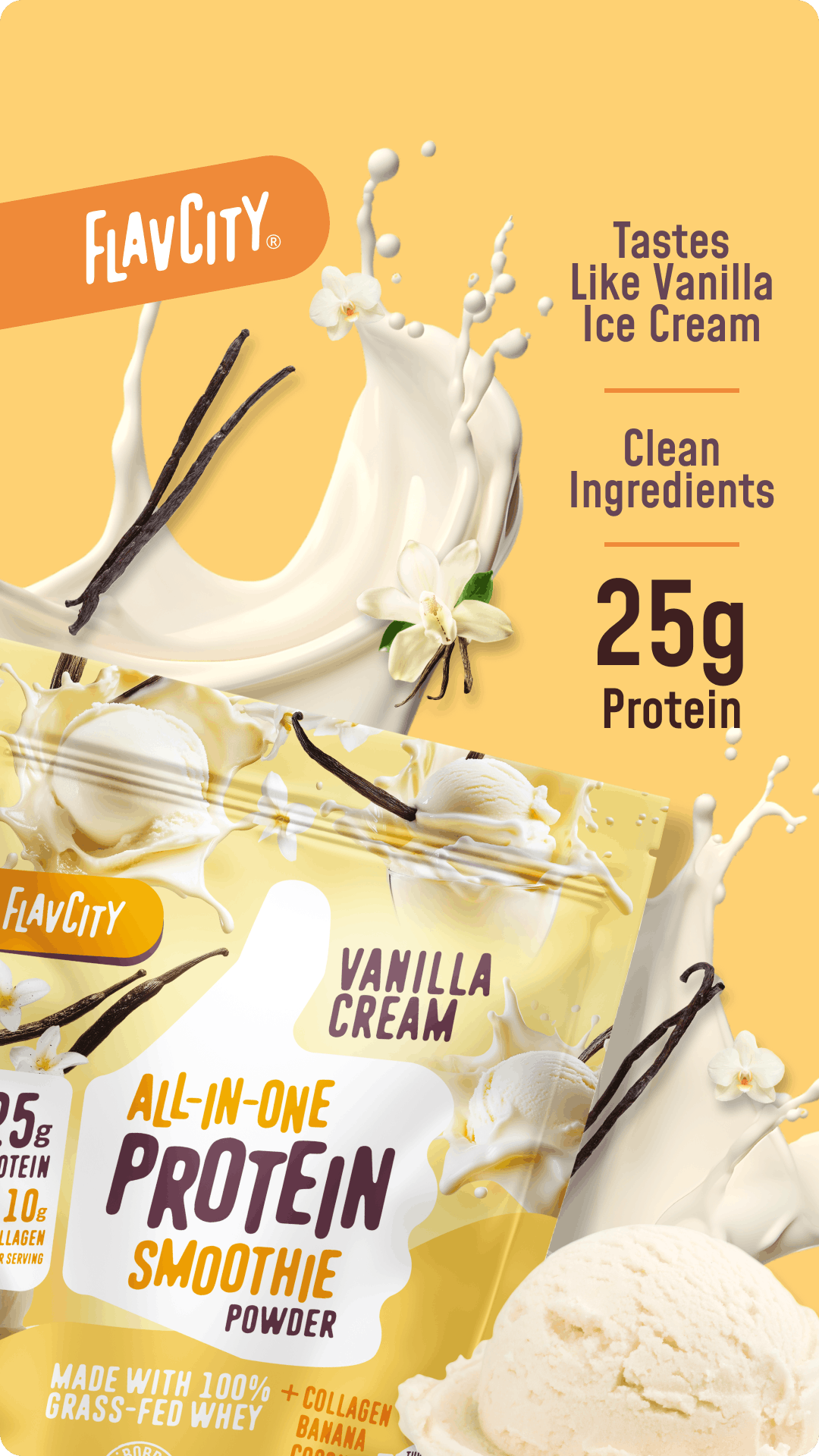
Recognition and Partners
.png)



Creative
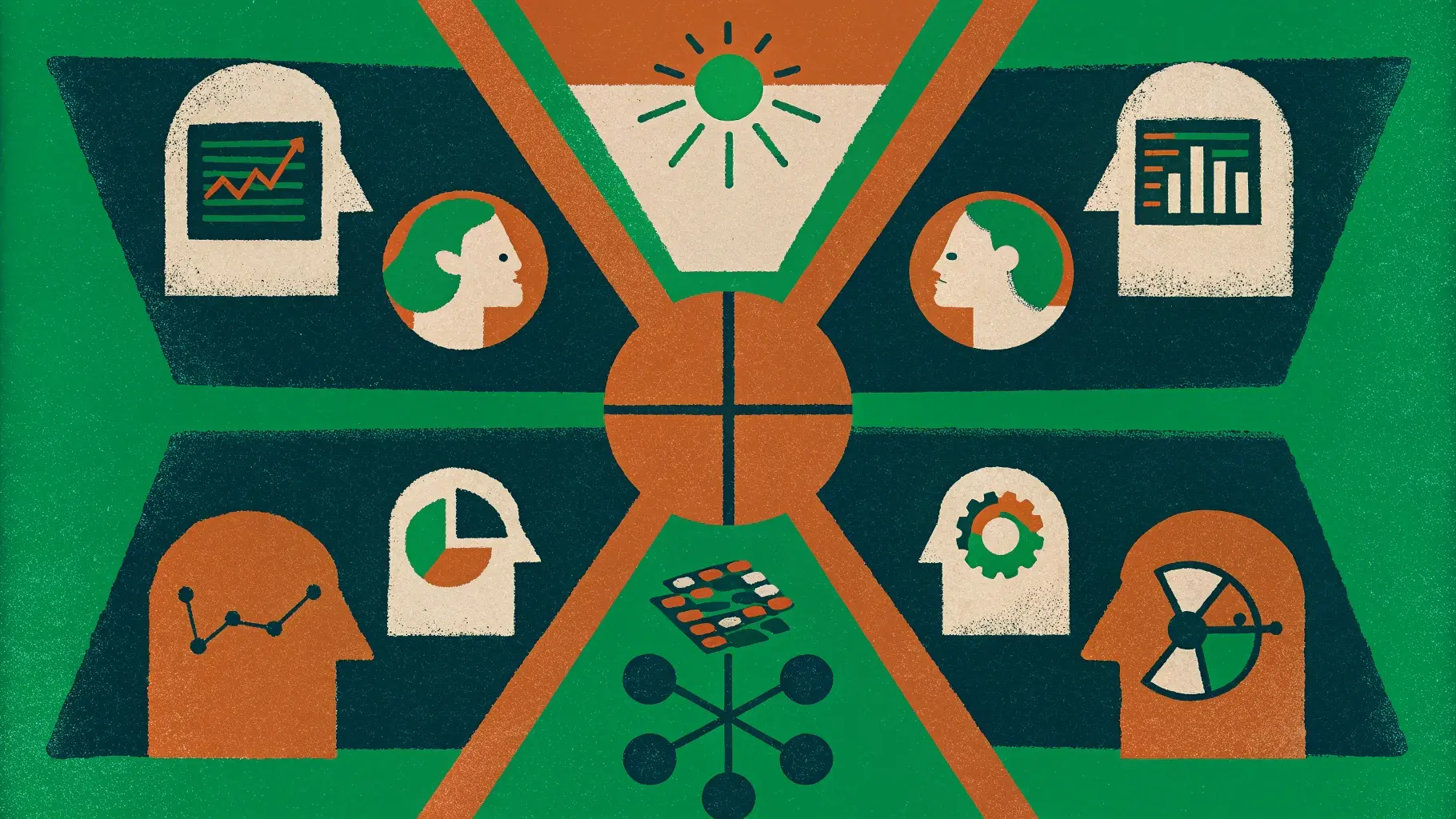
Our creative process is built around testing, learning, and iteration. Here's how it runs from kickoff through the first round of production data.
Concept and ideation
We start by mining your account for what's already converting, your competitors for what's working in category, and your brand voice for what differentiates you. The output is a concept doc with hypothesized angles, hooks, and formats we want to test.
Static ad design
Our designers translate the strongest concepts into static ads built within your brand system. Each batch tests multiple visual hierarchies, layouts, and headline structures so the algorithm has a real range of options to learn from.
Video production
Short-form video gets the most lift in feed and the most attention from Meta and TikTok algorithms. We produce mixed-format video assets ranging from talking-head UGC to studio-shot product films, edited for 9:16, 1:1, and 16:9 placements.
Motion and animation
Motion graphics, animated product reveals, and kinetic typography give us creative formats that compete with the most polished brands in your category. We use motion to demonstrate features, communicate benefits, and add visual interest in feeds saturated with static.
Iteration based on performance data
Once ads go live, our buyers feed performance signals back to the creative team weekly. Hook rate, hold rate, ROAS, and CAC by ad inform what gets iterated, what gets killed, and what spawns the next family of variants.

In 2026, creative is the primary targeting mechanism. Algorithmic targeting on Meta, TikTok, and Google has flattened audiences, which means the ad itself decides who sees it. Y'all builds creative as a compounding system: every test sharpens the next round, every winning ad spawns a family of variants, every brand book extension gets tighter.
Frequently Asked Questions
Find answers to common questions about our services and processes below.
Yes. Assets are produced for Meta, TikTok, YouTube and CTV, and wide-screen placements, and the same concepts extend to landing pages, email, and organic. Formats include static, animated and motion, short-form video, and UGC.
Production runs on a two-week cadence. Meetings are weekly through the first month of an engagement, then move to bi-weekly once the concept pipeline and feedback loop are established.
Yes, and that's the operating premise. Designers, editors, and motion artists sit alongside the buyers running the accounts, so briefs are written against what's converting in-account. When a campaign underperforms, the team can diagnose whether the cause sits in media or creative inside the same week.
You do. Everything Y'all produces is yours to use in perpetuity across paid, organic, email, retail, and wholesale. There are no separate licensing terms or usage windows on assets produced inside an engagement.
Meta reads creative as its primary delivery signal. When a batch of ads shares the same layout, palette, and hook structure, the platform treats them as one ad and the test returns nothing usable. Y'all builds each concept as a visually distinct persona and angle, with no small headline or image tweaks passed off as new tests.
The creative process runs LEARNINGS -> OPTIMIZATIONS -> RESULTS. Buyers feed hook rate, hold rate, ROAS, and CAC by ad back to the creative team weekly. Concepts showing life get expanded into families of variants. Concepts that don't get cut. New concepts come from account data, category competitors, and customer objections nothing in the library currently addresses.
Volume is set per engagement based on spend level and testing velocity. A monthly delivery mixes new concepts with variants of concepts already proven in-account. Early months skew toward new concepts to establish what the algorithm responds to. Later months skew toward variant testing on winners.
Concept development, static ad design, short-form video, motion and animation, and UGC, produced on a monthly cadence and iterated against live ad data. Every batch starts from a concept doc with hypothesized angles, hooks, and formats. Assets are delivered in 9:16, 1:1, and 16:9 so a single concept can run across Meta, TikTok, and YouTube placements.